A Journey of Persistence, Peace, and Pondside Joy
As part of our 25th Anniversary celebration, we are proud to share the story of Craig L., whose koi journey began over 25 years ago with a shovel in the backyard and a dream shared with his family. From one home to the next, through trial and error, loss and triumph, Craig’s dedication never wavered—and neither did the pond, which moved with him, rocks and all.
Today, nestled on a man-made island in Utah, Craig’s evolving oasis is not just a home for koi, but a sanctuary of learning, resilience, and joy. With guidance from Taro’s videos and the help of Kodama Koi Farm Tosai, Craig has turned his experience into a testament to what passion, patience, and a love for living jewels can create.
Customer Story By: Craig L.
“Welcome to my home.
My name is Craig L. and I live on a man-made lake in Stansbury Park, Utah.
The story of my pond starts in 1998 when my wife and kids started digging a pond in the middle of our backyard grass. It was a small pond with a little stream. This was the beginning of my experiments with koi. Within a year or so, we moved. Of course, the pond moved with us – rocks and all – to our new home. The new pond had to be bigger and a little deeper. It also had a stream. My thinking at the time was that the waterfall and gravel in the stream would purify the water for the fish. We continued to gather rocks and make our pond better – but still it was not adequate to keep my koi alive and healthy.
In another couple of years, we moved to a house on a man-made island and lake in Stansbury Park, Utah. The pond moved with us, rocks and all. This time it seemed to me that if carp survived and did well in the lake, it should work to have water pumped from the lake to my pond.
For 15–20 years the biological filter I had created using the lake water was successful. My koi thrived and grew large. They were a source of pride and happiness.
Last year my biological filter system crashed. All my fish died except one that I saved by following Taro’s instructions on using salt to treat ailing fish. I could have saved them all if I had previously set up a separate quarantine pond with independent filtration.
I cleaned out and rebuilt all my ponds using mechanical filtration. Then I began to replace the koi I lost. I decided the fixed price Tosai from Kodama Koi Farms was the best way to fill my pond with new fish.
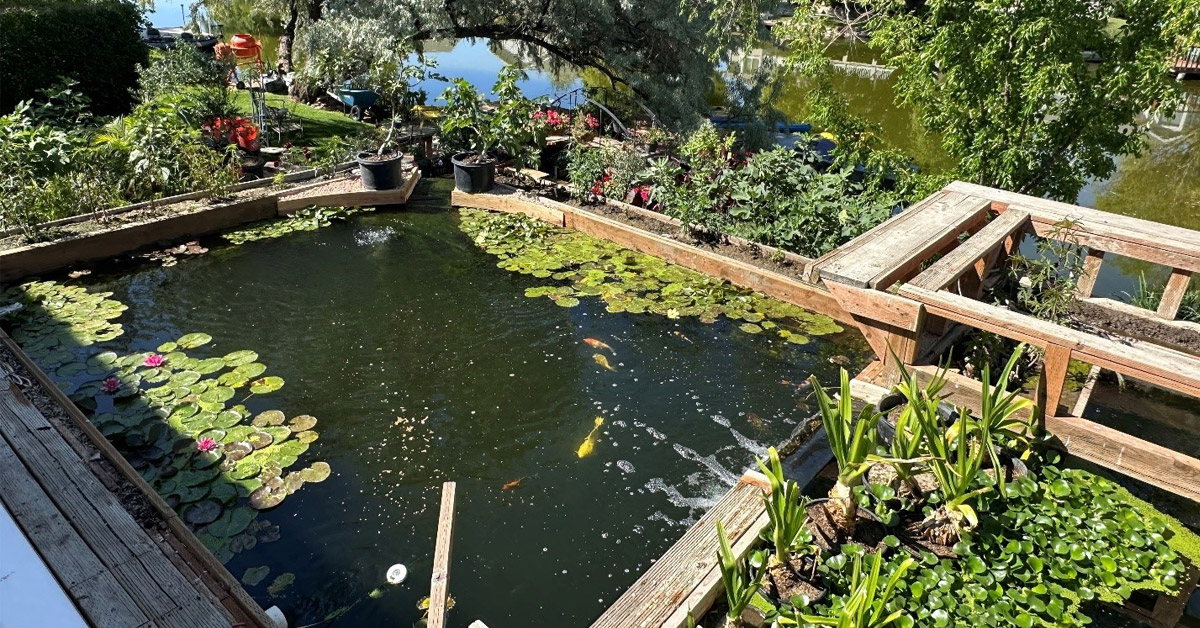
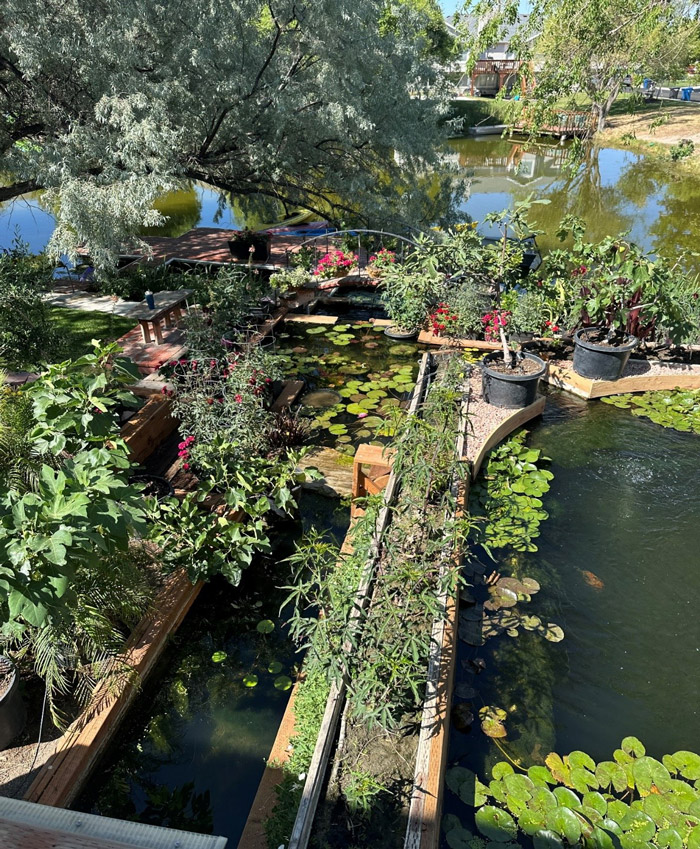
The picture below shows the pond that used to hold my biological filter. It has been converted to a koi pond. I will probably add some Kodama Koi Farm Tosai to this pond next year. I only buy koi from Kodama Koi Farms because the quality of the koi is excellent.
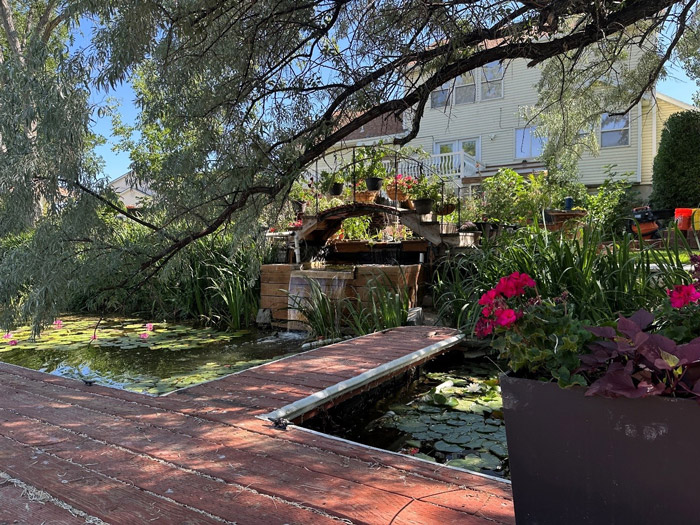
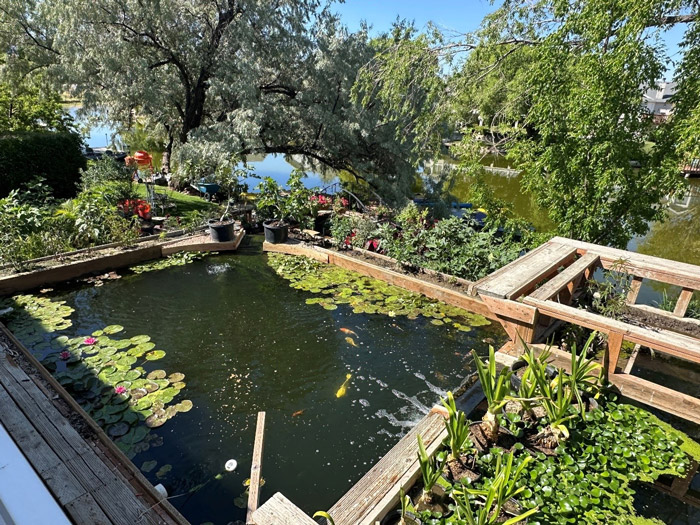
The main koi pond at our house is about 5 feet deep and has a shelf on 3 sides filled with one-inch pebbles. The lily tubers are planted on the top of the rocks with the pebbles placed over the roots. They seem to thrive and come back each year. The koi like to hang out under the lily pads during the day.
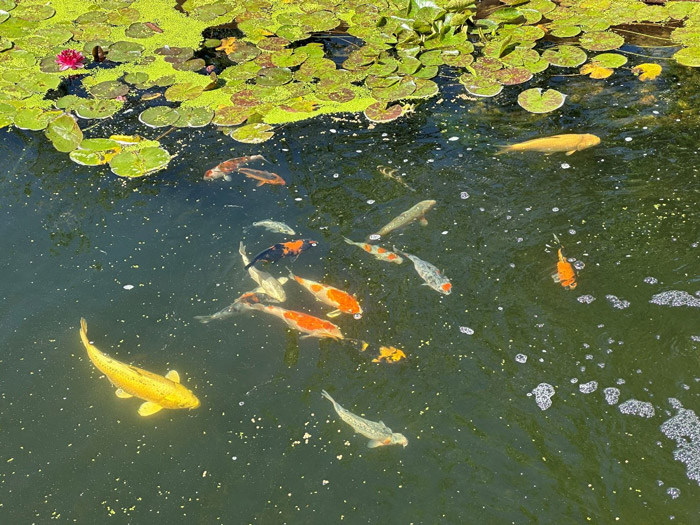
Below I show some of the Tosai I purchased last fall and this spring. The big yellow fish is the one I saved. It also came from Kodama Koi Farm.
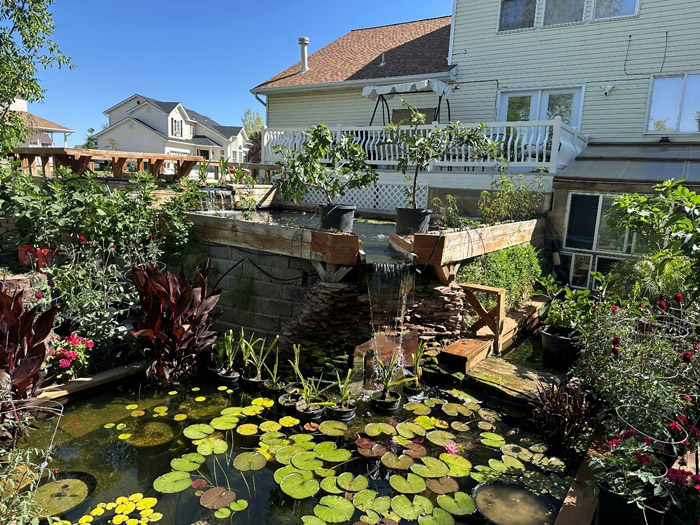
The koi pond shown above flows out over a waterfall to my water lily pond shown below:
The water flows out of the lily pond to a sump under the bridge where it is recirculated through mechanical filtration to the koi pond.
Any shortage of water in the sump is replenished from the lake. The waterfall above shows excess water being returned to the lake.
This picture shows a view of a bridge over the waterfall. The water lilies in the lake all came from water lilies that I had in my ponds. Also, my lake front is planted with Japanese Iris transplanted from my ponds.
I learned the hard way ( lots of dead koi) how important a separate pond system is in case of illness. It needs to be separate from the main system and have it’s own filtration system. I was able to save one of my koi by creating such feature as shown below. I followed Taro’s YouTube video on salt treatment to help it become healthy. I now have the narrow pond below on standby for quarantining new koi and treating any koi with health issues. It is about 20 inches deep and 18 feet long. It has an independent water supply.
I love my ponds, the lake, the lilies and of course my koi. Most nights my wife and I sit on our back porch as the sun sets and listen to the birds, feeding and watching the koi and feeling peace all around us. It is my happy place. I am very grateful to Kodama Koi Farms for the fish they supply. I have learned so much watching the YouTube videos that Taro makes. I have notes that I keep about what to feed and when. With his help I have learned how to keep the Koi I have healthy and happy.”
CUSTOMER’S GALLERY : CRAIG L.



Celebrating 25 Years of Kodama Koi Farm: A Legacy of Passion, Tradition, and Excellence
As we celebrate 25 years of Kodama Koi Farm, we extend our deepest gratitude to our loyal customers, partners, and dedicated team.
Your trust and support have been the foundation of our success, and we are honored to have you as part of the Kodama family. Every koi we deliver carries our passion and commitment, but it is your dedication to this beautiful art that keeps the koi community thriving. Learn more.
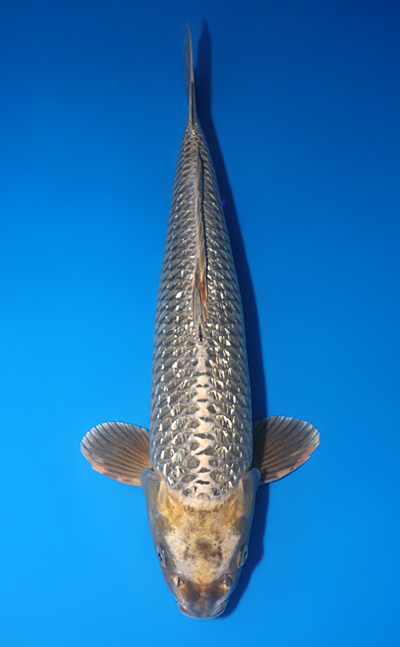 Ginrin Soragoi – koi #y0714s030
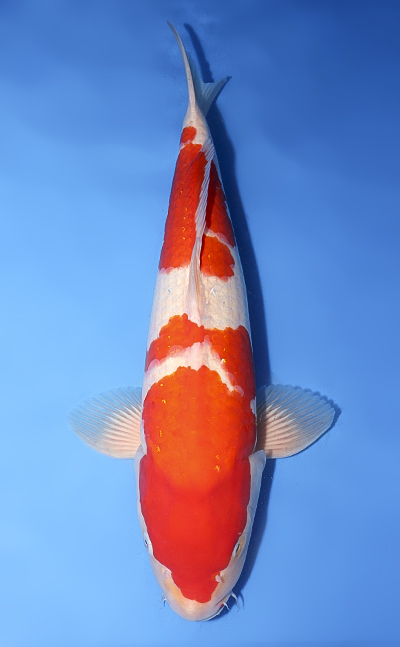 Kohaku – koi #y0619s008-re
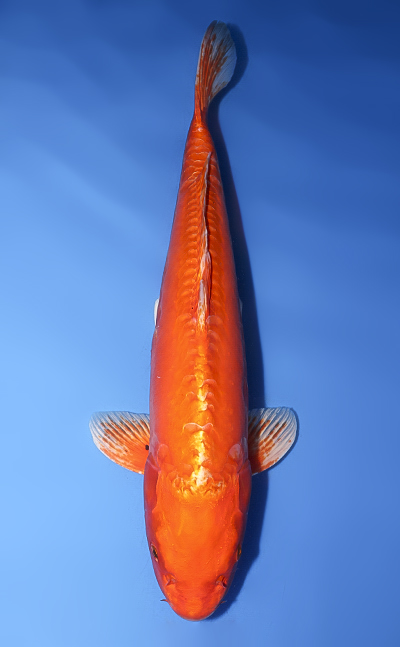 Doitsu Orange Ogon – koi #y0619s005-re
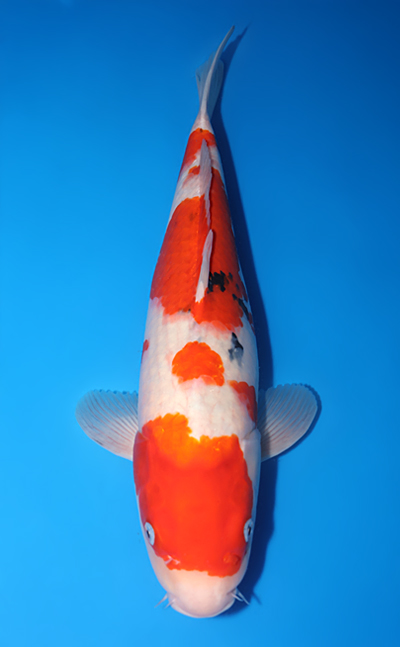 Taisho Sanke – koi #y0618s013