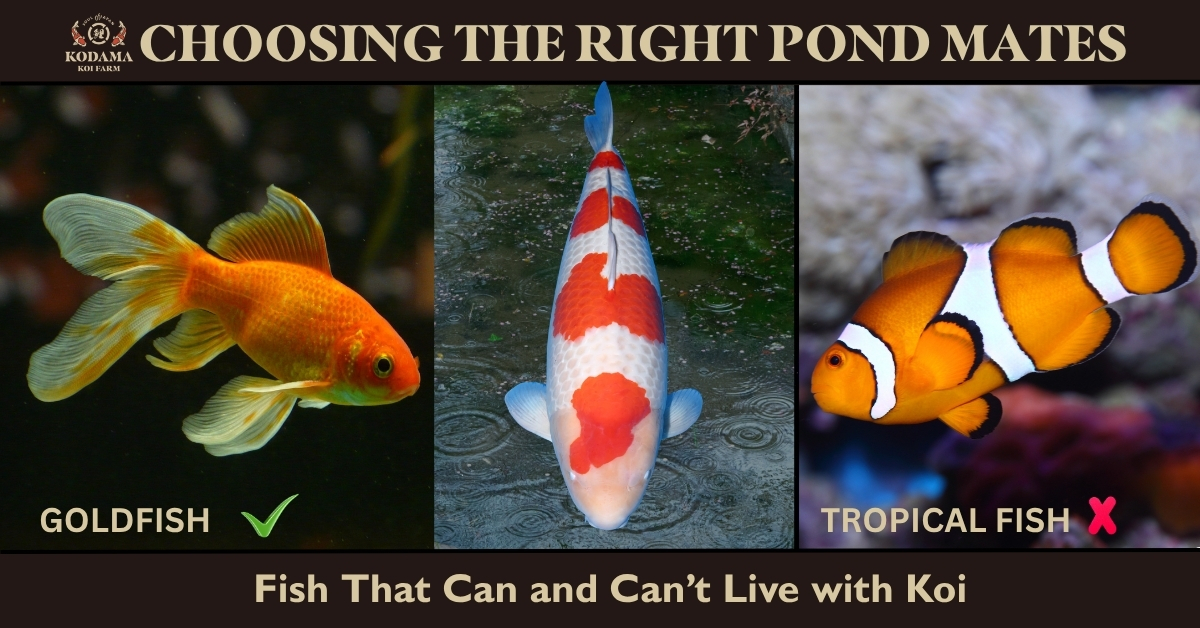
While some species thrive alongside Koi, others may aggressively compete for food, nip at delicate fins, spread disease, or require entirely different water conditions. Choosing compatible pond mates is essential to creating a healthier, less stressful environment where every fish can flourish safely.
Key Takeaways
- Match Environments and Not Just Aesthetics: For a fish to be a safe companion for your Koi, it must share the exact same cold-water requirements, water quality tolerances, and peaceful temperament.
- The Safest Companions: Goldfish, golden orfe, and weather loaches make excellent pond mates because they share similar environmental needs and will not aggressively compete with or harass your Koi.
- Species to Strictly Avoid: Never mix Koi with tropical fish, aggressive cichlids, predatory catfish, turtles, or plecos, as these will cause severe stress, physical injury, or perish in seasonal temperatures.
- Quarantine is Non-Negotiable: No matter how safe a species is on paper, introducing unquarantined fish is the most common mistake hobbyists make and the fastest way to introduce lethal diseases to an established pond.
What Makes a Fish Compatible with Koi?
Before introducing any new species to your water garden, you must evaluate their specific biological and behavioral needs. A truly compatible pond mate will seamlessly share the same environment without causing disruption.
- Water temperature: Both species must thrive in the same seasonal temperature fluctuations.
- Water quality requirements: Companion fish must be able to handle the same pH, ammonia, and nitrate tolerances.
- Adult size: Fish that are too small may be viewed as food by large Koi.
- Temperament: Aggressive or fin-nipping fish will cause severe stress to peaceful Koi.
- Feeding habits: Companions should not aggressively outcompete Koi for nutrients.
- Disease risks: Certain species carry parasites or bacteria that can devastate a Koi population.
| COMPATIBILITY | WHY IT'S A GOOD POND MATE | SPECIAL CONSIDERATIONS |
|---|---|---|
|
Goldfish
EXCELLENT
★ ★ ★ ★ ★
|
|
|
|
Grass Carp
GOOD
★ ★ ★ ★ ☆
|
|
|
|
Golden Orfe
GOOD
★ ★ ★ ★ ☆
|
|
|
|
Sturgeon
GOOD
★ ★ ★ ★ ☆
|
|
|
|
Weather Loaches
GOOD
★ ★ ★ ★ ☆
|
|
|
Goldfish
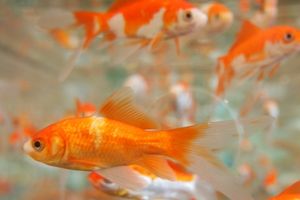
Goldfish are arguably the most common and successful companions for Koi. They are closely related, share the same cold-water requirements, and have a similar peaceful grazing temperament. Learn more about Goldfish

Grass Carp
In larger ponds, grass carp can be an excellent addition. They are robust, generally peaceful, and can help control excessive aquatic plant growth, though you must ensure your pond is large enough to accommodate their adult size. Difference Between Koi and Carp

Golden Orfe
Golden orfe are fast-swimming, surface-dwelling fish that add wonderful movement to a pond. They are highly compatible with Koi, share the same water parameter requirements, and are generally peaceful community members.

Sturgeon
Sturgeon can be suitable companions in very specific environments. They are bottom-dwellers that require highly oxygenated, pristine water and a specialized sinking diet. They generally ignore Koi, making them safe, but they require advanced pond management to thrive.

Weather Loaches
These quirky, eel-like bottom feeders are incredibly peaceful and make great companions. They act as a natural cleanup crew, sifting through the bottom of the pond for leftover food without bothering the Koi above them.

Fish That Don’t Mix Well with Koi
Just as important as knowing which fish to add is knowing exactly which ones to avoid. Introducing the wrong species can lead to injury, stress, or catastrophic disease outbreaks.s.
Plecos
While often sold as “algae eaters,” common plecos are tropical fish that cannot survive cold winters. More dangerously, as they grow, they develop a habit of attaching themselves to the sides of slow-moving Koi to eat their protective slime coat, causing severe injuries.

Large Cichlids and Oscars
These are highly aggressive, territorial tropical fish. They require warm water to survive and will actively attack, harass, and nip the fins of peaceful Koi.

Tropical Fish
Standard tropical aquarium fish lack the biological ability to survive the seasonal temperature drops that cold-water Koi rely on. They will inevitably perish if left in an outdoor pond year-round.

Aggressive Catfish
Many large predatory catfish species are highly aggressive and possess large mouths. They are known to hunt at night and will easily consume smaller Koi or severely injure larger ones.

Can Koi Live with Goldfish?
Because they are both members of the carp family, Koi and goldfish are the most natural pairing for a home pond. However, there are a few important dynamics to monitor.
While they share similar care requirements and feeding compatibility, their size differences can eventually become an issue.
A mature Jumbo Koi can easily outgrow a goldfish and may accidentally consume very small goldfish if they fit in its mouth.
Can Koi Live with Other Pond Animals?

- Frogs: Generally compatible. Adult frogs will live peacefully around the pond edges, though Koi may eat frog eggs.
- Tadpoles: Use caution. Koi are opportunistic feeders and will happily snack on tadpoles if they can catch them.
- Freshwater Shrimp: Not recommended. While they help clean the pond, they are almost guaranteed to become an expensive snack for your Koi.
- Snails: Use caution. Some snails are excellent algae eaters, but they can reproduce rapidly and clog filtration systems. Koi may also eat smaller snails.
- Turtles: Not recommended. Turtles are predators with sharp beaks. They will actively hunt, bite, and severely injure Koi.
A healthy water garden often attracts local wildlife, and many hobbyists wish to intentionally add diverse aquatic life to their ecosystem.
Before Adding New Fish to Your Koi Pond

- Pond size: Ensure you have enough physical space for the adult size of all fish.
- Filtration capacity: Your biological filters must be robust enough to handle the increased bioload.
- Quarantine new arrivals: Properly isolating new fish prevents the introduction of lethal parasites. Be sure to follow strict care and acclimation instructions.
- Feeding competition: Ensure you have a strategy to feed all species equitably.
- Oxygen requirements: More fish require greater aeration, especially during warm summer months.
- Seasonal temperature changes: Verify that all species can survive your specific winter climate.
Bringing new, high-quality Koi or companion fish into your ecosystem requires careful planning. Rushing this process can destabilize your pond.
Common Mistakes to Avoid When Mixing Pond Fish
Even experienced hobbyists can make critical errors when attempting to build a multi-species community pond.
To protect your investment, avoid these common mistakes:
- Overstocking: Adding too many fish strains filtration and reduces water quality.
- Mixing tropical and cold-water species: Putting warm-water fish in an outdoor pond guarantees failure during the winter. In
- Skipping quarantine: Introducing unquarantined fish is the fastest way to wipe out an entire Koi collection.
- Ignoring adult size: Buying a fish when it is small without planning for its mature size leads to cramped, dangerous conditions.
- Assuming all peaceful fish are compatible: Even if two species are docile, they may still have conflicting diet or water parameter needs.
How to Create a Healthy Community Koi Pond
Maintaining a vibrant, harmonious water garden requires ongoing observation and a commitment to biological balance.
To ensure long-term success in a community pond:
- Choose compatible species with identical environmental needs.
- Provide enough swimming space to prevent territorial disputes.
- Maintain excellent water quality through heavy mechanical and biological filtration.
- Monitor fish behavior daily for signs of bullying or isolation.
- Feed appropriately for all species, ensuring bottom-dwellers get their share.
- Regularly inspect fish for signs of stress, fin damage, or illness.
Keep Your Koi Pond Healthy
Choosing compatible pond mates is only one part of creating a healthy environment for your koi. Proper pond maintenance, water quality, filtration, and circulation all play a role in keeping fish healthy and minimizing common pond problems.
Learn how to maintain your pond and troubleshoot common pond issues with Kodama Koi Farm’s guide to pond maintenance and repairs.
Frequently Asked Questions
To help you make the best decisions for your pond, here are the answers to the most common compatibility questions.
Can koi live with goldfish?
Yes, Koi and goldfish are closely related, share the same cold-water requirements, and coexist very peacefully in the same pond.
Can koi live with plecos?
No, plecos are not recommended. They are tropical fish that cannot survive cold winters, and they often suck onto the sides of Koi to eat their slime coat, causing serious injuries.
What fish clean a koi pond?
While no fish will completely clean a pond for you, species like weather loaches and certain cold-water snails can help scavenge leftover food from the pond floor.
Will koi eat smaller fish?
Koi are opportunistic omnivores. If a smaller fish, tadpole, or shrimp can easily fit into a Koi’s mouth, there is a high likelihood it will be eaten.
Can tropical fish live with koi?
No. Tropical fish require consistently warm water and will suffer or die if exposed to the cold seasonal temperatures that Koi thrive in.
What’s the best fish to keep with koi?
Goldfish (such as comets or shubunkins) are universally considered the best and safest companion fish for Koi due to their identical environmental needs and peaceful nature.

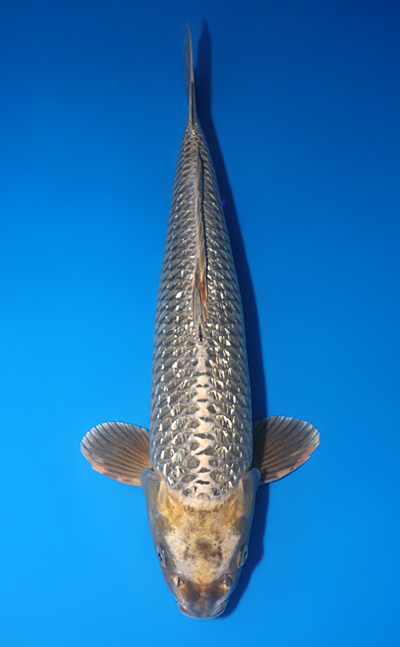 Ginrin Soragoi – koi #y0714s030
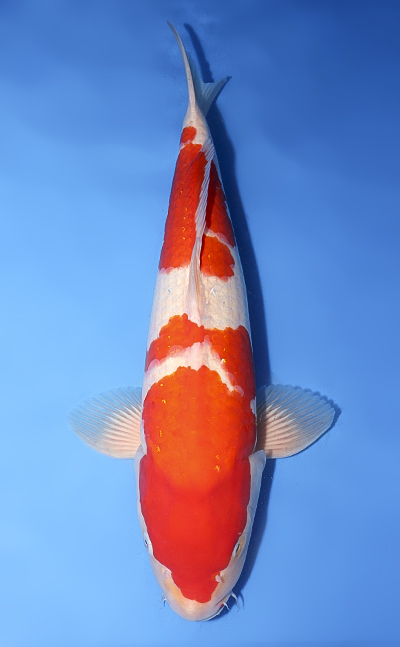 Kohaku – koi #y0619s008-re
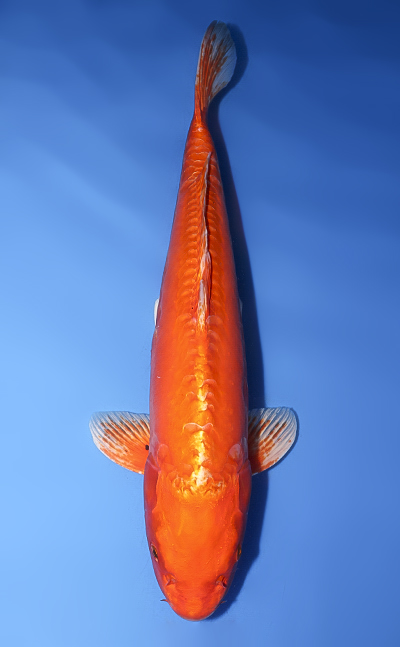 Doitsu Orange Ogon – koi #y0619s005-re
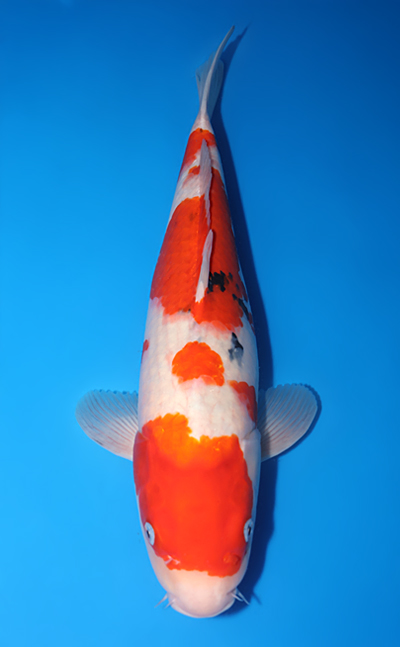 Taisho Sanke – koi #y0618s013