
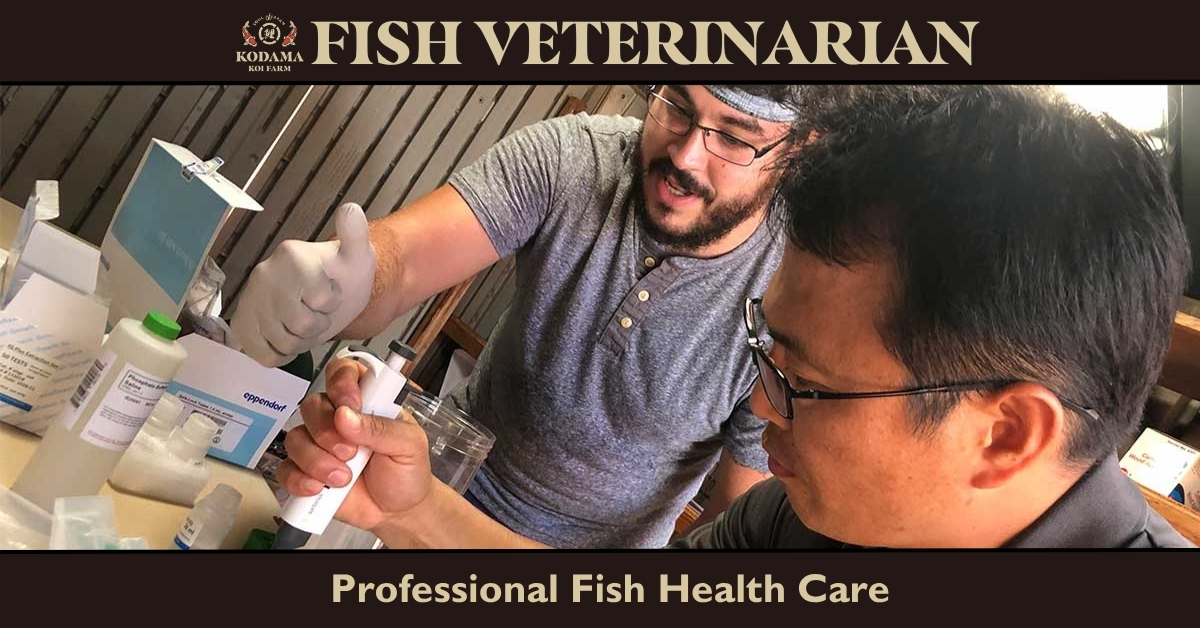
Aquatic veterinary medicine is a specialized field dedicated to the health and well-being of fish, including koi. While proper pond maintenance, balanced nutrition, and good water quality help prevent many common health issues, koi are living animals with unique medical needs that sometimes require professional evaluation.
As Kodama Koi Farm our koi health experts have emphasized throughout decades of educating hobbyists, responsible koi keeping begins with prevention, but recognizing when professional veterinary expertise is needed is equally important. When problems persist, multiple fish become affected, or the cause of illness is unclear, a fish veterinarian can provide the expertise needed to accurately assess the situation and recommend an appropriate course of action.
In this guide, you’ll learn what a fish veterinarian does, when veterinary care may be beneficial, and how professional support complements responsible koi keeping.
While experienced koi keepers and reputable resources can provide valuable guidance on everyday husbandry, recurring health problems or unexplained symptoms often benefit from professional evaluation. Consulting an aquatic veterinarian can help identify issues that may not be obvious through visual observation alone, allowing koi owners to make more informed decisions that support long-term fish health and responsible pond management.
Veterinarian Guide Overview
Fish Veterinarian Definition
A fish veterinarian is a licensed veterinarian with specialized training or experience in aquatic veterinary medicine, focusing on the diagnosis, management, and prevention of health problems in fish, including koi.
They help identify complex conditions, interpret diagnostic findings, and provide professional guidance that supports long-term koi fish health beyond routine pond maintenance and everyday husbandry
How a Koi Veterinarian Can Help
When routine pond maintenance isn’t enough to resolve a health issue, a koi veterinarian can provide expert evaluation and guidance. By assessing both the fish and its environment, they help identify underlying problems, recommend appropriate diagnostic testing when needed, and support long-term koi health through evidence-based care and preventive recommendations.
Health Assessments
A fish veterinarian provides comprehensive health assessments that go beyond examining a single symptom. They evaluate the overall condition of the fish, considering its appearance, behavior, environment, and recent history to gain a complete understanding of its health. Routine evaluations can help identify early signs of illness, monitor recovery, and support long-term koi fish health, especially for valuable collections or ponds with recurring concerns.
Diagnostic Testing
When the cause of a health problem is not immediately clear, an aquatic veterinarian may recommend appropriate diagnostic testing. This can include laboratory analysis, microscopic examination, or other diagnostic tools that help gather more information about a fish’s condition. These evaluations allow veterinarians to make informed decisions based on evidence rather than assumptions, improving the accuracy of their recommendations.
Disease Management
A koi veterinarian helps identify the underlying cause of health issues instead of simply addressing visible symptoms. Once a diagnosis has been made, they can recommend an appropriate management plan based on the fish’s condition, the pond environment, and other contributing factors. This professional guidance supports responsible veterinary care for koi and can improve long-term outcomes.
Injury Evaluation
Fish veterinarians also assess wounds, physical injuries, and other abnormalities that may result from accidents, predator encounters, handling, or interactions with other fish. Evaluating the extent of an injury helps determine the most appropriate course of action while reducing the risk of additional complications.
Preventive Health Guidance
Preventing illness is just as important as treating it. A fish veterinarian can provide practical guidance on quarantine procedures, biosecurity measures, water quality, nutrition, and long-term pond management to help reduce disease risks. Combined with good husbandry practices, professional advice helps koi owners create a healthier environment where their fish can thrive.

When Should Koi Owners Consider Veterinary Care?
Many common koi health concerns can be managed through good husbandry, proper nutrition, and consistent pond maintenance. However, some situations call for the expertise of a fish veterinarian.
Seeking professional advice early can help identify the underlying cause of a problem, support more effective decision-making, and improve long-term outcomes for both individual fish and the pond as a whole.
| Situation | Why Veterinary Care May Be Appropriate |
|---|---|
| Repeated Fish Losses | If multiple koi become ill or die without an obvious cause, a koi veterinarian can help determine whether disease, environmental conditions, or other underlying factors are contributing to the losses. |
| Persistent Health Problems | Symptoms that continue after correcting water quality, nutrition, filtration, or other husbandry practices may require a more comprehensive evaluation than routine pond care can provide. |
| Valuable Koi Collections | Owners of high-value or show-quality koi often seek professional veterinary guidance to help protect their investment and maintain long-term koi fish health. |
| Uncertain Diagnoses | Owners of high-value or show-quality koi often seek professional veterinary guidance to help protect their investment and maintain long-term koi fish health. |
Seeking veterinary guidance does not always mean a serious problem exists. In many cases, early consultation helps clarify concerns, prevents unnecessary guesswork, and supports better outcomes through informed, proactive care.
How Fish Veterinarians Diagnose Health Problems
Diagnosing health concerns in koi involves looking at the bigger picture rather than focusing on a single symptom. A fish veterinarian typically begins by reviewing the pond’s history, including recent maintenance, water quality records, feeding practices, seasonal changes, and any new fish introductions.
They also observe the fish’s behavior, appearance, and overall condition to identify patterns that may provide clues about the underlying issue. When appropriate, an aquatic veterinarian may perform general health examinations and recommend laboratory or microscopic testing to gather additional information.
These diagnostic tools help support a more accurate assessment, particularly when the cause of a health problem is not immediately apparent. By combining observations with environmental and historical information, veterinarians can provide informed recommendations that support long-term koi fish health while helping owners make confident, evidence-based decisions.
Before Calling a Koi Veterinarian
Preparing a few key details before contacting a koi veterinarian can make the consultation more productive and help identify potential causes more quickly. Many health problems in koi are influenced by water quality, pond conditions, or recent environmental changes, so having accurate information available allows the veterinarian to build a clearer picture of your pond and your fish’s health.
Before reaching out, gather the following information:
- Water test results (ammonia, nitrite, nitrate, pH, KH, GH, and water temperature, if available)
- Pond size and approximate water volume
- Filtration and aeration system being used
- Current water temperature
- Clear photos or videos of the affected koi
- Number of fish showing symptoms
- Timeline of symptoms, including when they first appeared and whether they have changed over time
- Recent pond changes, such as adding new koi, introducing plants, performing maintenance, changing food, or using medications or treatments
Keeping detailed records of your pond’s maintenance, water quality, and your koi’s behavior can be extremely valuable. These details often reveal patterns that may not be immediately obvious and help both you and your veterinarian make more informed decisions about your koi’s care.
Common Misconceptions About Fish Veterinarians
There are several misconceptions about fish veterinarians and the role they play in koi care. Some believe they only work with large commercial aquaculture facilities, but many also assist hobbyists and backyard pond owners. Others assume every sick koi requires medication, when improving husbandry or identifying the root cause may be the better solution.
It’s also a common misconception that water quality alone explains every health issue, as nutrition, injuries, parasites, and other factors can also affect koi fish health. Finally, professional veterinary care isn’t just for show-quality or competition koi. Any owner seeking expert guidance to protect the health and well-being of their fish can benefit from consulting a qualified aquatic veterinarian.
Frequently Asked Questions About Fish Veterinarians
Can any veterinarian treat koi?
Not all veterinarians specialize in fish health. While every licensed veterinarian has a broad medical education, a fish veterinarian or aquatic veterinarian has additional training or experience in diagnosing and managing the health of fish, including koi.
How do I find a fish veterinarian?
Start by contacting local veterinary clinics to ask whether they treat fish or can refer you to a qualified fish veterinarian. You can also search professional veterinary directories or aquatic veterinary organizations that list practitioners with experience in fish health.
Do fish veterinarians make pond visits?
Some fish veterinarians offer on-site pond visits, while others provide consultations at their clinic or request photos, videos, water quality information, and other details before recommending the next steps. Availability often depends on your location and the veterinarian’s practice.
Can a veterinarian help prevent future problems?
Yes. Veterinary care isn’t limited to treating illness. A koi veterinarian can provide guidance on quarantine practices, biosecurity, nutrition, water quality, and long-term pond management to help reduce the risk of future health issues.
Should I contact a veterinarian before using medications?
If you’re unsure of the cause of a health problem, consulting a veterinarian before using medications is often beneficial. An accurate assessment can help ensure that any management plan is based on the underlying issue rather than symptoms alone.
What information should I have ready before asking for help?
Having recent water quality test results, photos or videos of affected koi, notes about changes in behavior, feeding habits, maintenance records, and details about any new fish introductions can help a fish veterinarian make a more informed assessment.
Supporting Long-Term Koi Health with Professional Care
A fish veterinarian plays an important role in diagnosing complex health concerns, identifying underlying issues, and helping koi owners make informed decisions about their fish’s care.
While good pond management, proper nutrition, and consistent water quality remain the foundation of healthy koi keeping, professional veterinary guidance complements these practices when challenges arise.
Seeking expert advice early can improve outcomes, reduce unnecessary guesswork, and support the long-term health of your pond. By viewing veterinary care as part of responsible koi ownership, you’ll be better prepared to provide your koi with the care they need throughout every stage of life.
Koi FREE Health Checklist: Track Your Fish’s Health Before a Vet Visit
Related Resource: Before consulting a fish veterinarian, having the right information prepared can make your visit more productive. Use our Koi Health Checklist as a simple guide to monitor your koi’s condition, record important observations, and organize details that can help support better conversations with your vet about your fish’s health.


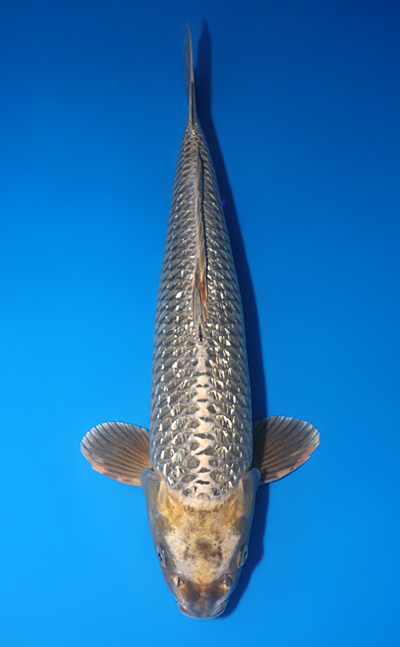 Ginrin Soragoi – koi #y0714s030
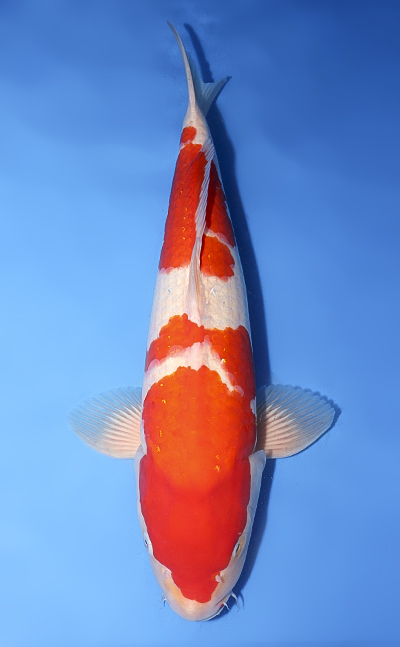 Kohaku – koi #y0619s008-re
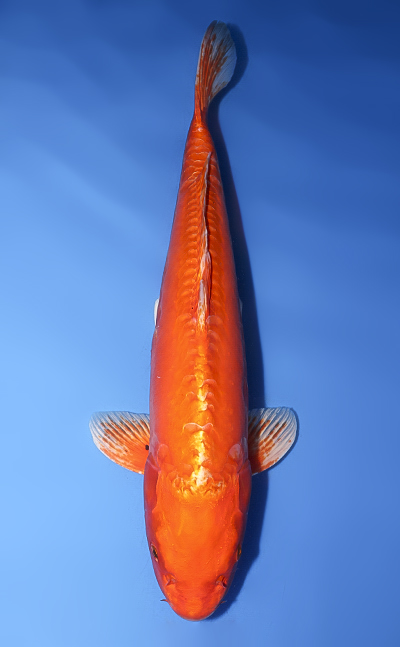 Doitsu Orange Ogon – koi #y0619s005-re
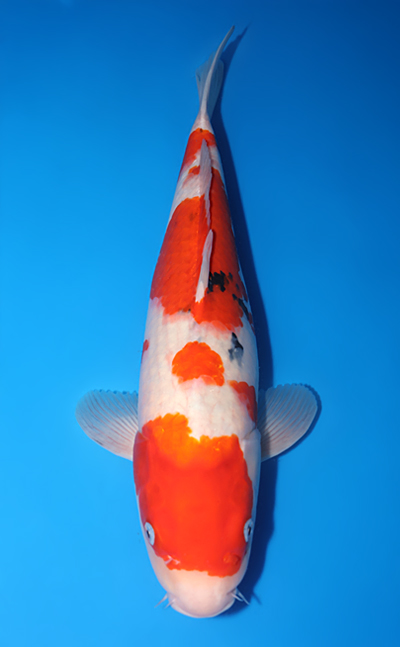 Taisho Sanke – koi #y0618s013