
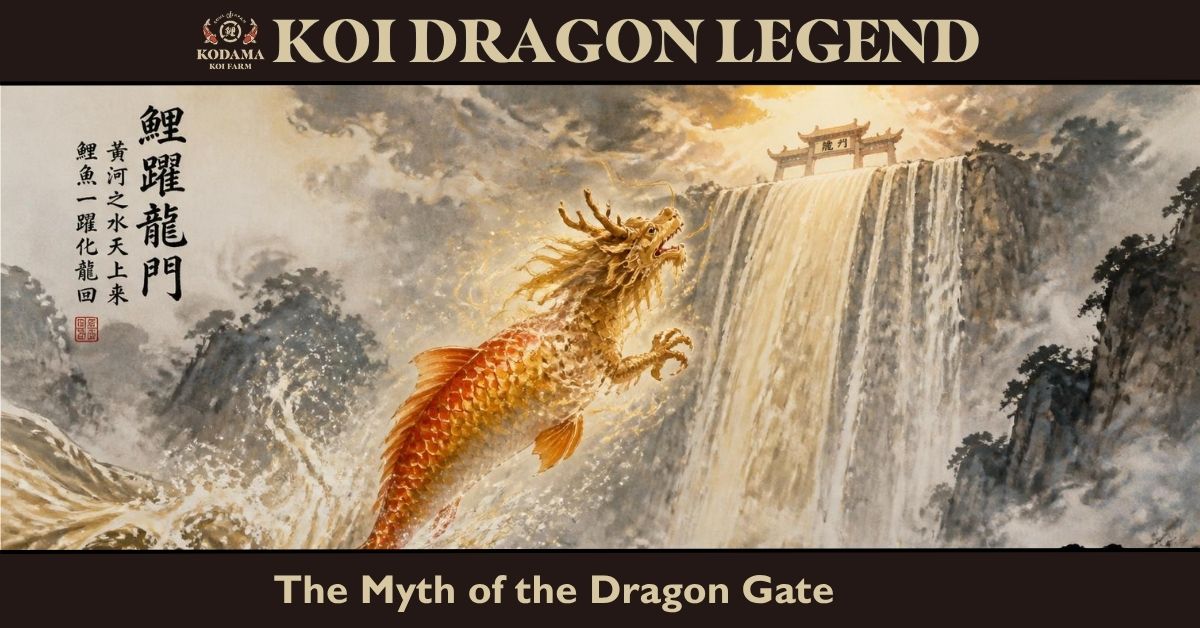
Few stories capture the spirit of perseverance quite like the koi dragon legend. According to the ancient Dragon Gate koi myth, a single carp overcame impossible odds by swimming upstream and leaping over a towering waterfall. As a reward for its determination, it was transformed into a magnificent dragon.
Although the legend began in ancient China, it became a cornerstone of Japanese koi appreciation and continues to influence how Nishikigoi are viewed today. More than just a fascinating story, it helped shape the way koi came to symbolize resilience, ambition, strength, and the pursuit of something greater. It’s one of the reasons koi are admired not only for their beauty but also for the meaning they carry.
How a Koi Became a Dragon – The Waterfall Legend
The story of how a koi became a dragon begins with one of East Asia’s most enduring legends. According to the tale, thousands of carp swam upstream along the Yellow River, battling powerful currents in search of the legendary Dragon Gate waterfall. Most turned back before reaching the falls, but a few continued despite repeated failures.
Only the strongest and most determined koi managed to leap over the towering waterfall. As a reward for its perseverance, the heavens transformed the victorious koi into a mighty dragon. This remarkable transformation became a lasting symbol of courage, determination, personal growth, and success earned through persistence rather than luck. Today, the image of a koi becoming a dragon continues to inspire artists, tattoo enthusiasts, and koi keepers around the world.
What is the Dragon Gate Legend?
The Journey Up the Yellow River
The legend begins with thousands of golden carp making the long journey upstream along the Yellow River. Battling powerful currents and relentless obstacles, the koi fish swimming upstream refused to let the rushing water turn them back. While many abandoned the journey, others continued pushing forward toward a destination that few believed they could ever reach.
The Impossible Waterfall
At the end of the river stood the Dragon Gate, a towering waterfall that seemed impossible to overcome. One by one, exhausted carp gave up and allowed the current to carry them downstream.
According to the legend, local demons mocked the remaining koi. To make the challenge even more difficult, they raised the height of the waterfall, believing no fish could ever reach the top.
The Transformation into a Dragon
One koi refused to surrender. For a hundred years, it continued leaping toward the summit despite repeated failures. At last, its determination was rewarded.
The gods recognized the koi’s unwavering determination and transformed it into a magnificent golden dragon, allowing it to soar into the heavens.
From that moment on, the Dragon Gate became a lasting symbol of resilience, reminding people that true strength comes from refusing to give up, even when success feels out of reach.

Koi Fish Turning Into Dragon Meaning
The transformation of a koi into a dragon represents far more than physical change. In both Chinese and Japanese culture, it symbolizes overcoming impossible obstacles through patience, resilience, and unwavering determination. The koi’s journey upstream mirrors life’s greatest challenges, while the dragon represents the rewards that come from perseverance and personal growth.
For many koi hobbyists, this symbolism extends beyond mythology. Raising koi requires years of dedication, careful husbandry, and long-term commitment, making the legend especially meaningful. Just as the legendary koi never gave up against the current, successful koi keeping is built on consistency, knowledge, and patience.

The Deep Symbolism Behind the Koi Fish
Perseverance and Grit
The image of a koi swimming upstream has become one of the world’s most recognized symbols of perseverance. Rather than avoiding life’s challenges, the legendary koi faced them head-on, refusing to give up despite repeated setbacks.
For many people, the story serves as a reminder that progress isn’t always immediate. Success often comes through patience, determination, and the willingness to keep moving forward even when the goal seems out of reach.
Success and Worldly Advancement
In the legend, the koi’s transformation into a dragon represents the reward for unwavering perseverance. It symbolizes reaching one’s highest potential through dedication, resilience, and continuous self-improvement.
The dragon represents more than reaching a destination. It marks a complete transformation from an ordinary carp into a legendary creature, reminding us that personal growth often changes who we become, not just what we achieve.
How the Koi Dragon Myth Influences Japanese Culture
Although the Dragon Gate legend originated in ancient China, Japan embraced its message and incorporated it into traditions, art, and koi appreciation. Its influence can still be seen in seasonal traditions, artwork, and even the way koi are portrayed in Japanese design. Each reflects the same enduring themes of perseverance, courage, and achievement, but in its own unique way.
As a result, the mythical koi fish became more than a legendary creature in Japanese culture. It evolved into a powerful symbol of transformation and ambition, inspiring generations through folklore, decorative arts, festivals, and the enduring admiration of Nishikigoi as living representations of hope and determination.
The Dragon Gate Legend at Kyoto’s Gion Matsuri
Although the Dragon Gate legend originated in ancient China, it became deeply woven into Japanese culture over the centuries. One of its most famous appearances is during Kyoto’s annual Gion Matsuri, one of Japan’s oldest and most celebrated festivals.
Among the festival’s elaborate parade floats is the Koi Yama, which commemorates the legendary koi making its courageous leap toward the Dragon Gate. The float serves as a reminder that determination and perseverance can overcome even the greatest obstacles, making it one of the festival’s enduring symbols of hope and achievement.

Kodomo no Hi (Children’s Day) and Koinobori
Every year on Kodomo no Hi (Children’s Day), celebrated on May 5, families across Japan fly colorful koinobori (carp streamers) outside their homes. Flowing in the wind like koi swimming against a current, these streamers represent the hope that children will grow up with the same resilience, determination, and strength as the legendary koi that reached the Dragon Gate.
Rather than simply celebrating the fish itself, the tradition celebrates the character it represents: the courage to face life’s challenges and keep moving forward.

Traditional Japanese Art and Irezumi (Tattoos)
The Dragon Gate legend has also inspired generations of Japanese artists. A koi leaping toward a waterfall is one of the most recognizable subjects in traditional ukiyo-e woodblock prints and irezumi (Japanese Koi Tattoo Art).
Artists often depict the koi at the very moment it attempts to scale the waterfall rather than after its transformation. That single leap captures the tension between struggle and hope, making it one of the most enduring images in Japanese art.

Upward vs. Downward Swimming Koi Meaning
The direction a koi swims carries its own symbolic meaning in Japanese art.
- An upward-swimming koi represents someone who is still working toward a goal or overcoming adversity. It symbolizes determination, persistence, and the willingness to keep pushing forward despite setbacks.
- A downward-swimming koi, on the other hand, represents someone who has already overcome those challenges. Rather than symbolizing defeat, it reflects accomplishment, inner peace, and the confidence that comes from reaching the other side of a difficult journey.
The Dragon Spirit in Modern Nishikigoi
The Dragon Gate legend isn’t just a story from the past, it still shapes how people appreciate koi today. While modern Nishikigoi aren’t judged by mythology, many of the physical traits admired by Japanese breeders reflect the same qualities of strength and endurance celebrated in the legend.
When evaluating high-quality koi, breeders look for a powerful, well-balanced body with a broad frame, smooth body conformation, and a thick caudal peduncle (the area just before the tail). These characteristics allow koi to swim efficiently and develop the strong, graceful movement prized in both show rings and traditional Japanese koi appreciation.
These physical characteristics are prized because they allow koi to swim with power, balance, and grace. While breeders judge confirmation for health and quality rather than mythology, it’s easy to see why these same traits became associated with the legendary koi capable of reaching the Dragon Gate.


Frequently Asked Questions About Koi Mythology
What is the meaning of a koi fish turning into a dragon?
In the Dragon Gate legend, the story of a carp turning into a dragon symbolizes the reward for extraordinary perseverance. After overcoming seemingly impossible obstacles, the koi is transformed into a dragon as recognition of its determination, strength, and resilience. Today, the legend serves as a reminder that personal growth, success, and the belief that great achievements are earned through determination.
Is the koi dragon legend Chinese or Japanese?
The koi dragon legend originated in ancient Chinese mythology and is based on the Dragon Gate waterfall along the Yellow River. Over time, however, the story became deeply woven into Japanese culture, where it inspired traditions, artwork, and the symbolic meaning associated with Nishikigoi. While its origins are Chinese, it remains an important part of Japanese koi appreciation today.
What does a koi fish swimming upstream mean?
A koi fish swimming upstream symbolizes determination in the face of adversity. It represents someone who continues striving toward a goal despite setbacks, challenges, or difficult circumstances. In Japanese art and culture, the upward-swimming koi is often used as a reminder that perseverance and resilience can lead to meaningful success.
For this reason, it’s often used as a symbol of persistence during life’s most challenging seasons.
Do all koi turn into dragons in the myth?
No. According to the Dragon Gate legend, thousands of koi attempted to swim upstream and leap the waterfall, but only one succeeded. That single koi was rewarded by the gods with transformation into a magnificent dragon, making it a lasting symbol of exceptional perseverance and achievement.
What is the name of the Japanese water dragon?
In Japanese mythology, water dragons are commonly known as Ryū (龍) or Ryujin (龍神). Ryū are powerful dragon spirits associated with rivers, lakes, rain, and the sea, while Ryujin is regarded as the Dragon God who rules the oceans. Although the Dragon Gate legend originated in China, many modern Japanese retellings associate the transformed koi with the image of a majestic Ryū, representing wisdom, strength, and divine power.


 Ginrin Soragoi – koi #y0714s030
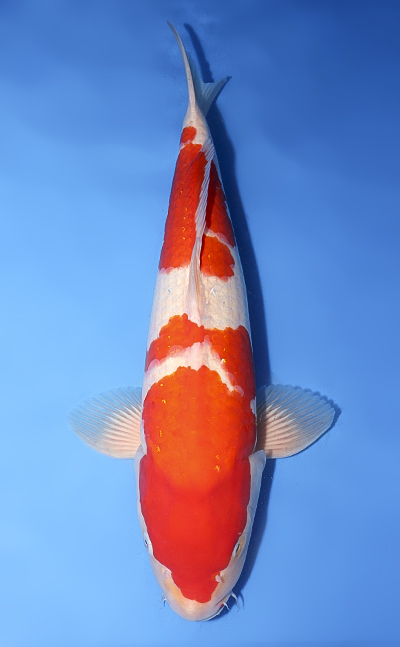 Kohaku – koi #y0619s008-re
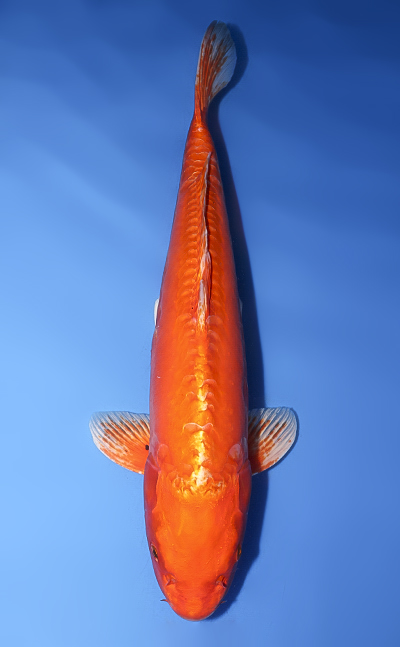 Doitsu Orange Ogon – koi #y0619s005-re
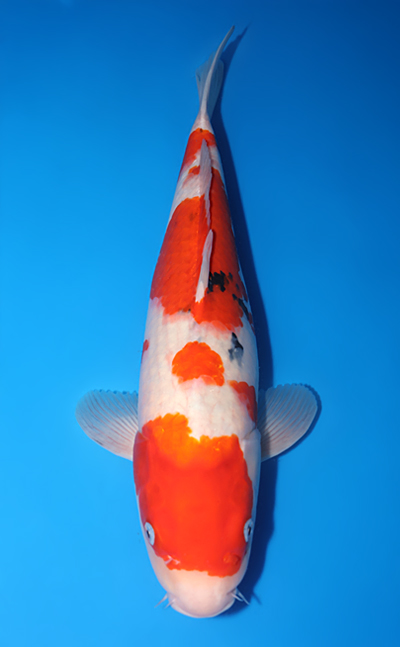 Taisho Sanke – koi #y0618s013