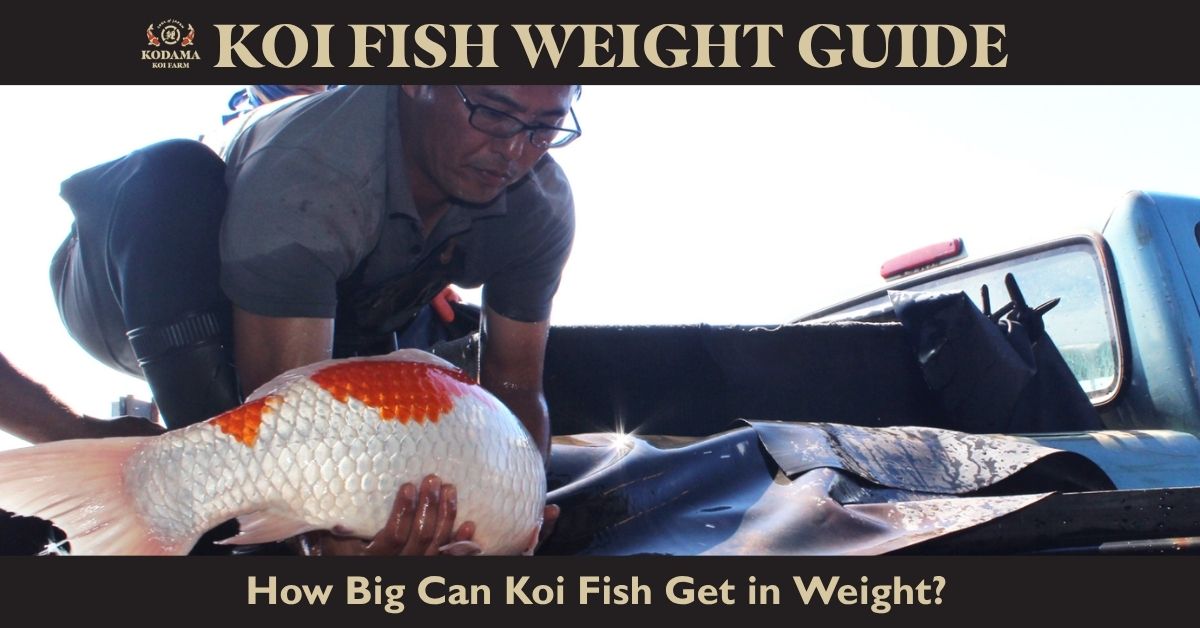
Koi fish can reach impressive sizes when raised under proper conditions. While many pond koi remain moderate in size, High-Quality Japanese Koi Bloodlines like those offered by Kodama Koi Farm are selectively bred for jumbo growth, body volume, and long-term development. Under ideal conditions, koi can grow into large fish, with Japanese-bred koi often having strong genetic potential for significant size when given proper care, nutrition, and excellent water quality.
However, reaching very large size is not guaranteed and depends on a combination of genetics, environment, and long-term husbandry, good genes alone are not enough. Growth is fastest in the early years, with koi often reaching about half of their eventual length within the first two years, followed by slower development in body mass and overall form as they mature.
Before diving deeper into growth stages, feeding, and body condition, here’s a quick overview of typical koi weight expectations:
Quick Answer: Most adult koi weigh 5–15 pounds, while jumbo koi can exceed 20–40+ pounds depending on genetics, feeding, and water quality. A 30-inch koi typically weighs 12–20+ pounds, with body girth playing a major role.
Koi Weight by Size Chart
Most adult koi typically reach 12–35 pounds, while jumbo koi can exceed 40 pounds under ideal conditions. Understanding koi size and weight is essential for tracking healthy growth and setting realistic expectations as your fish mature.
Koi do not all grow at the same rate—genetics, diet, water quality, and pond conditions all play a major role in how large they become over time.
The chart below breaks down typical koi growth stages, showing how length translates into approximate weight from juvenile fish all the way to jumbo champion-class koi. This provides a clear reference for hobbyists aiming to raise strong, well-proportioned koi with excellent body development.
Size Range |
Approx. Weight (lbs) |
Growth Stage |
|---|---|---|
| 0.5 – 6 inches | 0.005 to 0.13 lbs | Juvenile |
| 6 – 12 inches | 0.14 to 1.1 lbs | Young |
| 12 – 20 inches | 1.0 to 5 lbs | Growing |
| 20 – 24 inches | 5.0 to 12 lbs | Adult |
| Over 24 to 30 inches | 9.0 to 20+ lbs | Jumbo |
| 34–36+ inches | 20 – 40+ lbs | Jumbo Champion Class |
How Big Can Koi Fish Get in Weight?
Most koi typically grow to around 24 inches when given good genetics, proper feeding, and adequate space. While jumbo koi can reach 20–30+ lbs, growing beyond 34 inches requires not only ideal care and environment, but also advanced husbandry skill over many years.
How to Estimate Koi Weight
Weighing koi directly can be challenging, so most keepers rely on estimation methods. Observing body thickness and girth, comparing with a koi weight chart, and tracking growth over time are effective ways to monitor development.
Koi Weight Calculation
If you already have the measurements, you can estimate your fish’s weight using this widely used formula for an average body shape:
Koi Size – 27.56 inch × 27.56 inch × 27.56 inch
Is equal to – 20933.29 ÷ 1540
Is equal to – Approximately 13.6 lbs
 Kodama Koi Weight Calculator
Enter your koi's LENGTH to estimate its weight
How to Tell if Your Koi Is Underweight or Overweight
How to Assess Healthy Koi Weight
Maintaining a healthy koi fish weight is essential for long-term health, growth, and overall vitality. While koi naturally vary in size depending on age, genetics, and pond conditions, their body shape can reveal whether they are at an ideal koi body weight.
What a Healthy Koi Body Shape Looks Like
A healthy koi should have a balanced, torpedo-shaped body with smooth, even proportions from head to tail. When viewed from above, the body should gradually widen behind the head and gently taper toward the tail without sudden dips or bulges.
The back should appear full and rounded, but not excessively wide. The belly should not sag or look swollen. A koi in good condition typically moves smoothly and confidently through the water, showing consistent energy and appetite.
Signs Your Koi May Be Underweight
If you are wondering, “is my koi underweight?”, there are several visual signs to watch for.
An underweight koi may appear thin through the midsection, with a noticeably narrow body behind the head. In some cases, the backbone may become more visible from above, and the area near the tail tube may look unusually slim.
This often happens due to insufficient feeding, poor water quality, stress, illness, or competition from larger fish during feeding times.
Signs Your Koi May Be Overweight
Overweight koi often develop an unusually wide or rounded body shape, especially around the belly and midsection. While a large koi is not necessarily unhealthy, excessive bulk can indicate overfeeding or a diet that is too rich.
A koi that looks overly thick compared to its length may be carrying excess weight, which can place added stress on its organs and reduce swimming efficiency.
Why Weight Monitoring Matters
Regularly observing your koi’s shape and comparing it to its length helps you maintain a healthy koi fish weight. Combining visual checks with occasional length and weight measurements can help you detect health issues early and keep your koi in peak condition.
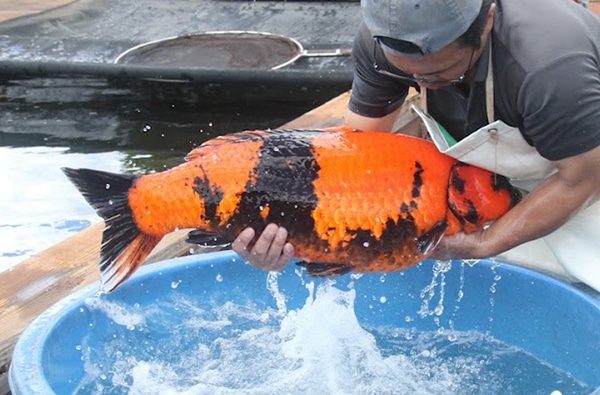
What Is the Largest Koi Ever Recorded?
The world’s largest koi on record reached over 4 feet (48 inches) in length and weighed over 90 pounds. These exceptional koi are the result of elite Japanese bloodlines, expert care, and years of consistent growth management. While rare, they show the true potential of high-quality koi raised under optimal conditions.
How Heavy Do Koi Fish Get?
Koi weight varies with size, genetics, and care, but most quality koi grow into the jumbo category once they exceed 24 inches (61 cm), often reaching up to 40 pounds (18 kg). These jumbo koi are highly sought after by enthusiasts and are commonly featured in high-end koi ponds due to their impressive size, vibrant colors, and striking patterns, including varieties with elegant butterfly fins.
Why is my Koi Losing Weight?
Not sure if your koi’s body condition is caused by diet or something more serious?
Sudden koi weight loss is often linked to poor water quality, parasites, feeding competition, stress, or underlying illness. If your koi appears thinner behind the head or develops a narrow tail tube, inspect feeding behavior, pond parameters, and possible disease symptoms immediately.
To help identify possible causes, explore our complete guide to koi health diagnosis, symptoms, and common diseases.
Understanding the difference between weight-related issues and health-related symptoms is one of the best ways to keep your koi growing strong and healthy.
Factor |
Impact on Weight & Size |
|---|---|
| Genetics | Genetics is the most important factor. Japanese bloodlines are bred for jumbo growth, producing longer, heavier koi. |
| Water Quality | Clean, oxygen-rich water boosts koi appetite, supports metabolism, and promotes steady long-term growth. |
| Nutrition | High-quality, protein-rich diets (balanced with vitamins and color enhancers) support both growth and body mass. |
| Pond Size | Larger ponds give koi space to swim freely, boosting muscle development and helping them reach greater overall size. |
| Stocking Density | Lower stocking density reduces stress and competition, allowing koi to reach their maximum growth potential in ponds. |
| Consistency | Stable feeding schedules and consistent water parameters are key for long-term koi growth and jumbo development success. |
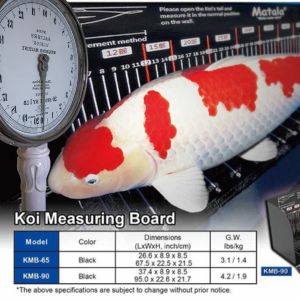
Koi Measurements for Weight Tracking
Accurate tracking is key to understanding your koi’s true size and weight development over time.
Using a proper koi measuring board helps you record consistent, precise measurements while minimizing stress on your fish.
Get reliable size data for better growth monitoring, health assessment, and overall pond management.
Koi Food and Nutrition Guide for Healthy Weight Gain and Strong Body Development
Koi fish weight is one of the best indicators of overall health, body condition, and proper pond management. While length shows growth, weight reflects true development, including muscle mass, body thickness, and internal health. Achieving healthy koi weight depends heavily on proper feeding strategy, balanced nutrition, and consistency. At Kodama Koi Farm, nutrition is carefully managed to support strong body structure and long-term quality.

Kodama Koi Food for Weight Gain
When it comes to helping koi gain healthy weight, it all starts with what goes into their daily feeding routine. Over the years, the Kodama family has learned that good weight isn’t just about making koi bigger, it’s about building strong body shape, balanced thickness, and steady growth that lasts.
After raising champion koi for more than 50 years, Mamoru Kodama developed a feeding approach based on what consistently worked on the farm. That experience eventually shaped Mr. Kodama Koi Food, the same food used to raise many of their koi. It was created from years of research and hands-on breeding, using fresh, high-quality ingredients that support both growth and overall condition.
For koi weight development, protein and digestibility make a big difference. Kodama’s All Season formula includes 38% protein and wheat germ, which helps support muscle growth while remaining easy on digestion. This means koi can absorb nutrients more efficiently, helping them build body mass without creating unnecessary waste in the pond.
A more natural way to feed for weight gain is through small, frequent portions instead of large feedings. This keeps metabolism active and supports more efficient nutrient use, especially during warmer months when koi are most active. As temperatures cool, switching to lighter, easy-to-digest food helps maintain body condition and steady weight.
If you’d like to support better body shape and healthy growth, check out Kodama Koi Food for Growth and Body Development to find the right formula for your koi’s year-round weight journey

Koi Fish Weight Guide Conclusion
In the end, koi weight is one of the best signs of healthy growth and long-term pond success. It’s not just about length, but also body shape, balance, genetics, and consistent care over time.
At Kodama Koi Farm, the focus has always been on steady, sustainable growth—developing strong body conformation and healthy girth over the years rather than rushing size too quickly.
With quality nutrition, stable water conditions, and patient growth pacing, koi can continue to build size, beauty, and strength for years to come.
Search Live Koi Fish for Sale
If you’re interested in seeing how these koi fish weight principles translate into real examples, it can be helpful to explore actual koi selections raised under these conditions.
This gives you a clearer idea of how genetics, nutrition, and long-term care influence size, body shape, and overall quality in real fish.
You can also get a sense of how pricing varies based on size, bloodline, and development stage, especially for koi bred for jumbo potential.

Koi Fish Weight FAQ
How much does a koi fish weigh?
The weight of a koi fish depends on its size, age, variety, and overall body condition. On average, an adult koi typically weighs between 5 to 15 pounds, while larger jumbo koi can reach 20 pounds or more. A healthy 24-inch koi often weighs around 5 to 8 pounds, while a 30-inch koi may weigh 10 to 15 pounds.
What is the average weight of an adult koi?
The average koi fish weight for a mature adult is usually between 5 and 12 pounds in most home ponds. Well-conditioned koi with a fuller body shape may weigh more than leaner koi of the same length. Genetics and pond conditions also play a major role.
How much does a 20-inch koi weigh?
A 20-inch koi generally weighs around 3 to 5 pounds, depending on its body thickness and variety. Broader-bodied koi such as Chagoi may weigh slightly more than slimmer varieties at the same length.
How much does a 24-inch koi weigh?
A healthy 24-inch koi usually weighs between 5 and 8 pounds. This is one of the most common sizes for adult koi kept in residential ponds.
How much does a 30-inch koi weigh?
A 30-inch koi commonly weighs between 10 and 15 pounds, although some jumbo koi may exceed this range depending on genetics and body mass.
How can I estimate my koi’s weight?
You can estimate koi weight by measuring its length and girth. A common formula is:
Weight = Length × Girth² ÷ Constant
This provides a close estimate without the need to physically weigh the fish, which helps reduce stress.
Is my koi underweight?
A koi may be underweight if its body appears narrow behind the head, the spine becomes visible from above, or the tail tube looks unusually thin. A healthy koi should have a smooth, torpedo-shaped body with even proportions.
What Is the Heaviest Koi Ever Recorded?
The heaviest koi ever widely recorded is generally recognized as “Big Girl”, a jumbo koi that reportedly weighed around 90–91 pounds (40–41 kg) and measured about 4 feet (1.2 m) long. She became famous in the koi world for her extraordinary size and is often cited as the largest ornamental koi on record.
Quick Koi Weight Reference –
- 20-inch koi → 3–5 lbs
- 24-inch koi → 5–8 lbs
- 30-inch koi → 12–20 lbs
- 36-inch koi → 20–40+ lbs

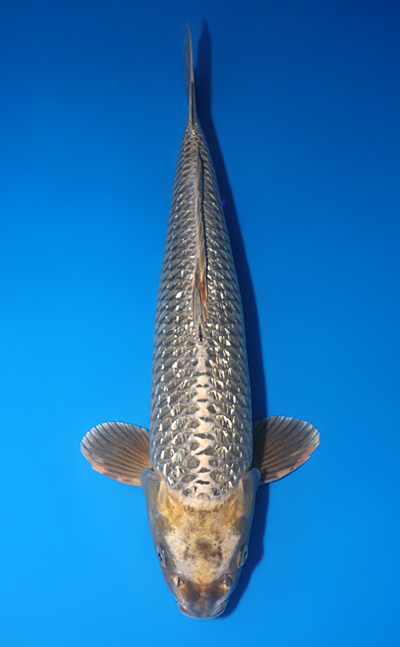 Ginrin Soragoi – koi #y0714s030
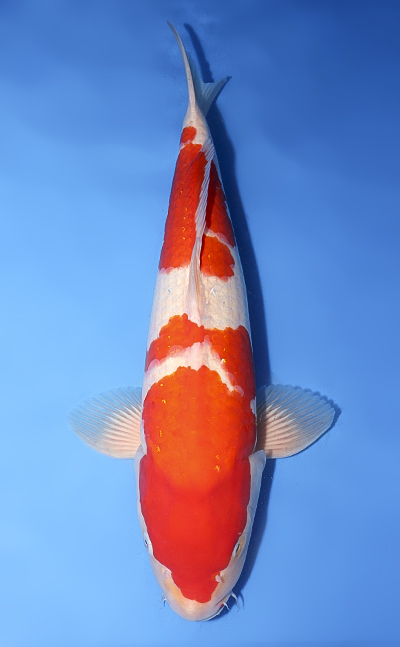 Kohaku – koi #y0619s008-re
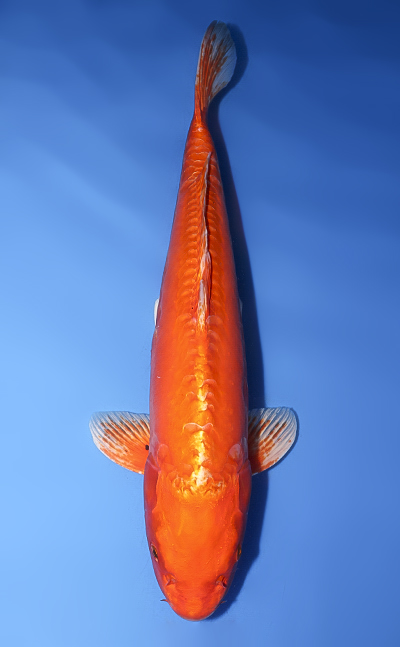 Doitsu Orange Ogon – koi #y0619s005-re
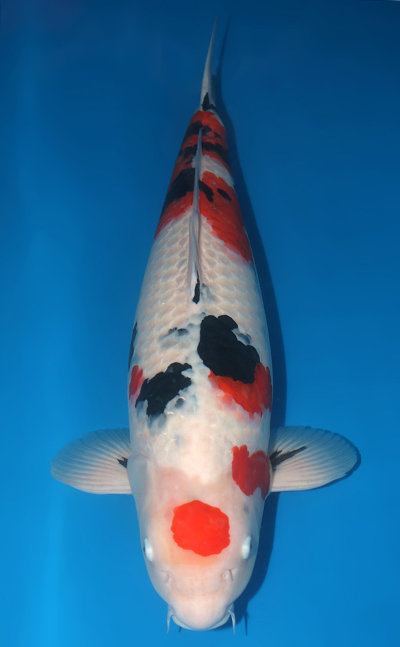
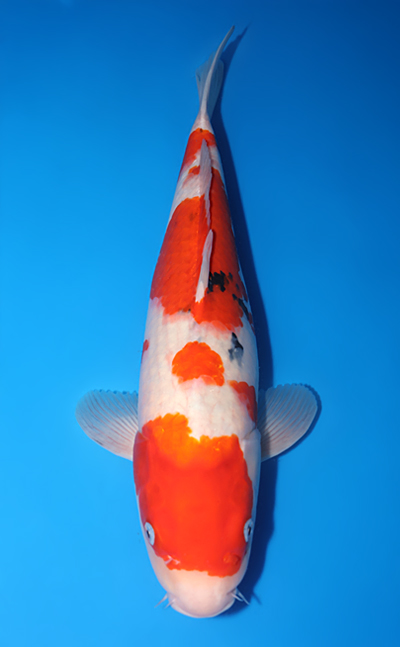 Taisho Sanke – koi #y0618s013