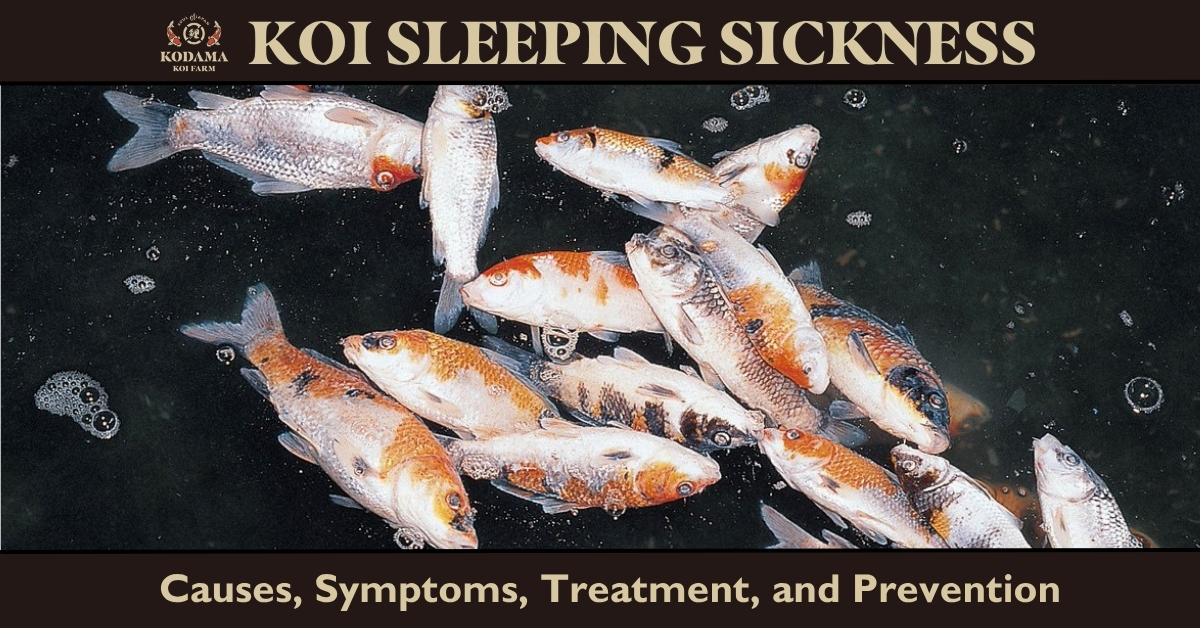
Koi Sleeping Disease (CEV): Why It Happens and What Every Koi Owner Should Know
Koi Sleeping Disease, also known as Carp Edema Virus (CEV), is one of the most misunderstood diseases affecting koi. Many online articles describe it as another viral illness, but experienced Japanese breeders have long recognized that CEV behaves differently from most other koi diseases.
At Kodama Koi Farm, we’ve worked alongside Japanese breeders for decades and have helped countless hobbyists understand and manage CEV. While the disease can be alarming, knowing how it develops and why reputable breeders approach it differently can help koi keepers make informed decisions instead of reacting out of fear.
What You Need to Know About Koi Sleeping Disease
Koi Sleeping Disease is caused by Carp Edema Virus (CEV), a virus that primarily affects young koi. Infected fish become extremely lethargic, often resting on the pond bottom or floating quietly near the surface, giving the appearance of “sleeping.” Unlike many fish diseases, experienced Japanese breeders often manage CEV by allowing young koi to develop natural immunity before they are sold.
What Makes Koi Sleeping Disease Different?
One of the most unique aspects of CEV is that it is not viewed the same way as many other infectious diseases.
Experienced Japanese breeders understand that young tosai (one-year-old koi) are the age group most likely to encounter the virus. Rather than trying to eliminate every possibility of exposure, many breeders allow healthy young koi to experience controlled exposure under carefully managed conditions. The goal is for the fish to recover while they are still at the breeder’s facility and develop natural immunity before entering the marketplace.
As We often explains, the idea is similar to childhood immunization. While this is not a vaccine, the concept is comparable: early exposure allows the immune system to recognize the virus and build resistance before the koi experiences the stresses of transportation, dealers, and a new home pond.
Because of this long-standing practice, most koi purchased from reputable Japanese koi breeders have already developed immunity before they reach hobbyists. This is one reason why many owners never experience CEV, even after introducing new koi into their ponds.
Understanding this difference helps explain why experienced breeders view CEV differently than many hobbyists encountering the disease for the first time.
Why Can CEV Still Appear Later?
Although most koi develop good immunity, protection is not always perfect.
If the initial exposure was mild or the immune response was incomplete, some fish may not develop strong, long-lasting immunity. In these cases, the virus can become active later when the koi experiences significant stress.
Common stress factors include:
- Moving to a new pond
- Shipping or transportation
- Sudden temperature changes
- Poor water quality
- Parasite infestations
- Other illnesses
In some cases, hobbyists have even reported CEV appearing after a koi has lived in the same pond for several years. While this is uncommon, it illustrates that immunity can vary between individual fish and is not always absolute.
Recognizing Koi Sleeping Sickness Symptoms
The name “Koi Sleeping Disease” comes from the way affected fish behave rather than from visible wounds or lesions.
Many hobbyists first notice that their koi simply stop acting normally. Fish may remain motionless on the pond bottom for long periods or drift quietly near the surface. They often show little interest in food and react very slowly when someone approaches the pond.
Common signs include:
- Resting motionless on the pond bottom
- Floating quietly near the water’s surface
- Extreme lethargy
- Loss of appetite
- Slow or limited response to movement
- Isolating themselves from other koi
These symptoms are most commonly observed in younger koi, although fish of other ages can occasionally be affected.
Can Koi Sleeping Disease Be Fatal?
Koi Sleeping Disease can be serious, and in some cases, it may result in the loss of affected fish. However, not all infections are fatal. Many koi can recover when stress is minimized, water quality is maintained, and supportive care is provided early in the course of the disease.
The severity of symptoms often depends on factors such as the fish’s age, overall health, environmental conditions, and the presence of secondary infections. Early recognition of warning signs and prompt intervention can significantly improve recovery outcomes and help reduce the risk of severe complications within the pond.
What Causes Koi Sleepy Disease?
While Koi Sleeping Disease is associated with a viral infection, several environmental and biological factors can influence whether a koi develops symptoms. Understanding these factors can help pond owners reduce potential risks and maintain a healthier environment.
Water Temperature and Seasonal Risk Factors for Koi Sleeping Disease
Koi Sleeping Disease is most often observed during cooler water temperatures, particularly in spring when pond conditions fluctuate. Seasonal temperature changes can stress koi, making them more vulnerable to illness.
Maintaining stable water conditions and minimizing environmental stress can help support the immune system and reduce the risk of disease-related problems during these transitional periods.
Environmental Stress Factors
Stress can make koi more susceptible to illness. Common triggers include sudden water temperature changes, poor water quality, overcrowding, transportation, and the introduction of new fish without proper quarantine.
Why Some Koi Are More Vulnerable
Younger koi are generally considered more vulnerable to KSD. Fish experiencing stress or weakened immune function may also have a greater risk of developing symptoms after exposure to the virus.

We’ll Email You Our Farm’s Koi Health Checklist
Download and print this one page document to easily reference for a quick diagnosis! To help you with your Koi symptom diagnosis, we created this koi health checklist. For access to the checklist, sign up below and we will happily send you the highest quality file for using with your pond.
Enter email to join our newsletter and receive koi health checklist.
Managing CEV Based on Your Pond's Needs
One of the biggest misconceptions about Carp Edema Virus (CEV) is that there is a single treatment that works in every situation.
In reality, there is no universally accepted treatment protocol for Koi Sleeping Disease. Over many years, experienced Japanese breeders, dealers, and koi professionals have developed different management approaches based on their own observations and practical experience.
The most appropriate course of action depends on several factors, including the severity of the outbreak, water temperature, water quality, the overall condition of the koi, and the presence of any secondary infections.
Salt Therapy
Salt is commonly used as a supportive treatment to help reduce stress and improve osmoregulation, allowing koi to maintain proper water and electrolyte balance.
While it does not eliminate Carp Edema Virus (CEV), salt may help affected fish recover more comfortably by supporting their overall health during the recovery period.

To learn when, why, and how to use salt safely, read our guide, Benefits of Salt in Koi Pond & Tips for Safely Using It!.
Oxolinic Acid
Oxolinic acid is an antibacterial medication that may be used when koi develop secondary bacterial infections while weakened by CEV.
Since antibiotics do not treat the virus itself, oxolinic acid is intended to help manage bacterial complications that can occur during recovery, rather than eliminating the viral infection.

If you’d like to learn more about Oxolinic Acid, including what it is, how it is commonly used, and important product information, visit our Oxolinic Acid page for additional educational resources.
Potassium Permanganate (PP)
Potassium permanganate (PP) is a strong oxidizing agent that some experienced koi keepers use to improve water quality and reduce the number of external parasites and harmful microorganisms.
Because PP is a powerful chemical treatment, it should only be used by those who understand proper dosing and pond management.

If you’re unsure whether Potassium Permanganate (PP) is appropriate for your pond, start by learning how to identify common koi diseases and their causes in our comprehensive Koi Disease Diagnosis Guide before considering treatment options.
Combination of Treatments
In some cases, experienced koi professionals may use a combination of these methods rather than relying on a single approach. The best course of action depends on the severity of the outbreak, water quality, water temperature, the condition of the koi, and any secondary infections.
Because every pond is different, treatment should always be tailored to the specific situation while maintaining excellent water quality and minimizing stress throughout recovery.
Treatment and Management of Koi Sleepy Disease
There is no single treatment that guarantees recovery from Koi Sleepy Disease. In most cases, management focuses on reducing stress, maintaining excellent water quality, and providing supportive care while the affected koi recovers. Taking the right steps early can improve the chances of a successful outcome.
Step 1: Isolate the Affected Koi if Necessary
If a koi is showing severe symptoms, such as prolonged lethargy, loss of appetite, or difficulty swimming, consider moving it to a separate quarantine or recovery tank. Isolating the fish can help reduce stress from tank mates, make monitoring easier, and prevent the possible spread of illness if an infectious condition is involved.
A dedicated recovery environment also allows you to closely observe the koi’s behavior, feeding response, and overall condition while providing supportive care.
Below is a sample quarantine setup that can be used for isolating and monitoring koi.
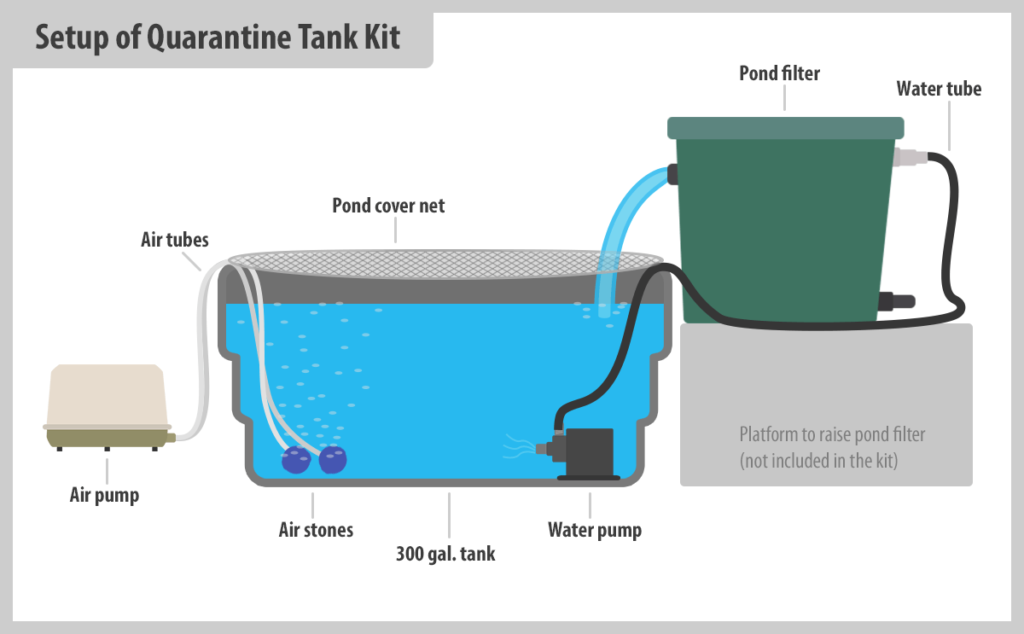
Read more about Koi Quarantine Tips to learn how to properly set up a quarantine tank, maintain optimal water quality, and safely monitor new or sick fish during the recovery process.
Step 2: Monitor Water Conditions
Regularly test important water parameters, including ammonia, nitrite, nitrate, pH, and temperature. Poor or unstable water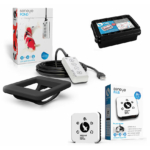 quality can increase stress, weaken the immune system, and slow the recovery process. Maintaining clean, well-oxygenated water with stable parameters gives affected koi the best chance of regaining their strength and returning to normal behavior.
Read more about Pond Water Quality Management and Testing for Healthy Koi to learn how to monitor key water parameters, identify common water quality problems, use water testing kits and monitoring devices effectively and create a healthier environment that supports long-term koi health and disease prevention.
Step 3: Provide Supportive Care
Ensure adequate aeration and maintain consistent pond conditions. Continue monitoring feeding behavior, but avoid overfeeding if the koi shows little interest in food.
As part of supportive care, some pond keepers also explore the benefits of salt as a management tool to help reduce stress and support koi during periods of recovery and environmental challenges.
Step 4: Be Patient During Recovery
Recovery times can vary significantly between individual koi. Factors such as age, stress levels, overall health, and environmental conditions can all influence the recovery process. Regular observation can help track progress and identify any worsening symptoms.
During the recovery period, it is also helpful to monitor koi gills health, as healthy gill function plays a vital role in oxygen uptake, stress management, and overall recovery from illness.
Preventing Koi Sleepy Disease
Prevention starts with quarantining new koi before introducing them to the pond, maintaining excellent water quality through proper filtration and regular testing, and minimizing stress from handling or sudden environmental changes. Long-term koi health also depends on proper nutrition, routine observation, and consistent pond maintenance practices.
What Every Koi Keeper Should Remember About KSD
Koi Sleeping Disease can be unsettling, especially for hobbyists encountering it for the first time. However, understanding how experienced Japanese breeders view CEV provides valuable perspective.
Unlike many other viral diseases, CEV is closely tied to the natural development of immunity in young koi. While no koi is guaranteed lifelong protection, reputable breeders have spent decades refining their methods to help young fish build resistance before they ever reach their new homes.
By maintaining excellent water quality, reducing stress, purchasing koi from trusted sources, and seeking experienced advice when problems arise, hobbyists can give their koi the best opportunity for a healthy recovery.
References
- Adamek, M., et al. “Carp Edema Virus (CEV): Current Knowledge and Future Perspectives.”
- World Organisation for Animal Health (WOAH). Infection with Carp Edema Virus.
- Haenen, O. L. M., et al. “Carp Edema Virus Disease: A Review of Current Knowledge.”
Frequently Asked Questions About Koi Sleepy Disease (KSD)
1. Is Koi Sleeping Disease contagious?
It can spread under certain conditions, especially in shared water systems, so caution is important.
2. Does KSD affect adult koi?
It is more common in younger koi, but adults can also be affected if stressed or weakened.
3. Does feeding behavior change with KSD?
Yes, affected koi often show little to no interest in food, even during normal feeding times.
4. How is Koi Sleeping Disease different from normal lethargy?
Normal lethargy is often temporary and linked to environmental changes, while KSD involves persistent inactivity and worsening condition over time.
5. Can poor water quality trigger an outbreak?
Poor water quality does not directly cause Koi Sleeping Disease, but it can increase stress and make koi more vulnerable to illness.
6. Can stress alone cause Koi Sleeping Disease?
Quarantine is recommended when possible to reduce stress and closely monitor the fish.
7. Should affected koi be quarantined?
Quarantine is recommended when possible to reduce stress and closely monitor the fish.
8. Can koi recover from Koi Sleeping Disease?
Recovery is possible in some cases, but it depends on the severity of infection, water conditions, and overall fish health.
9. How long does recovery usually take?
Recovery time varies widely, from several days to weeks, depending on conditions and care.
10. Can good pond maintenance prevent KSD completely?
Good maintenance greatly reduces risk, but it cannot guarantee complete prevention since disease exposure can still occur.

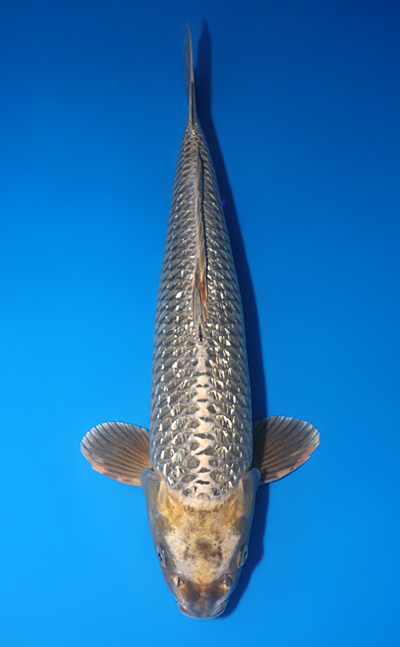 Ginrin Soragoi – koi #y0714s030
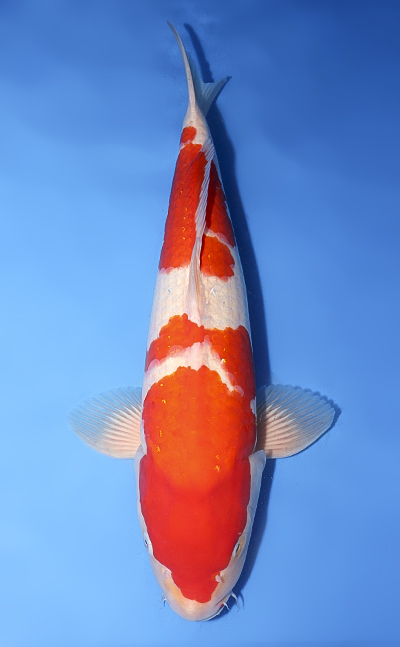 Kohaku – koi #y0619s008-re
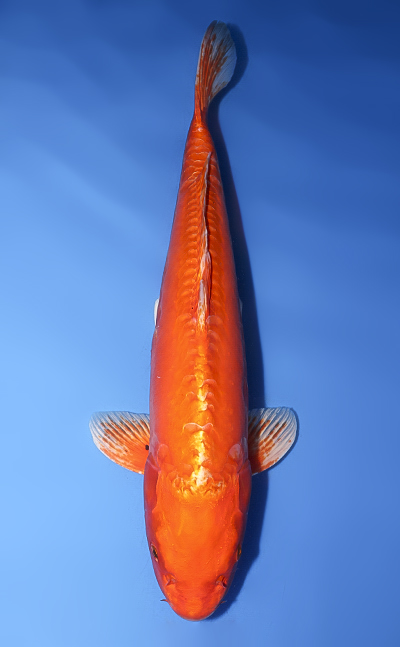 Doitsu Orange Ogon – koi #y0619s005-re
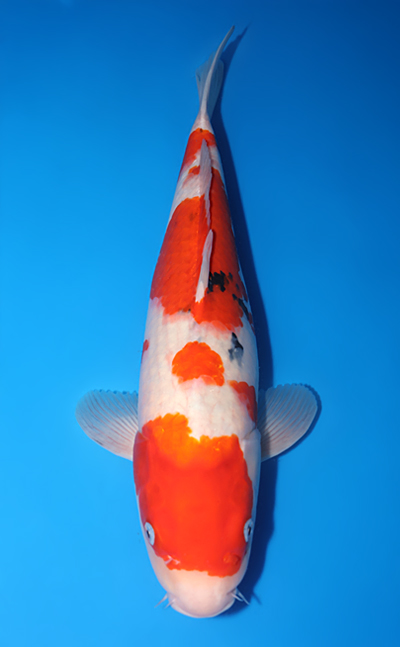 Taisho Sanke – koi #y0618s013

Hi,
Thanks for posting a useful information, for example …..
If a koi is sick-picking that koi from the pond for separating,do we need that particular fish to put in quarantine tank from the existing pond water or fresh water.