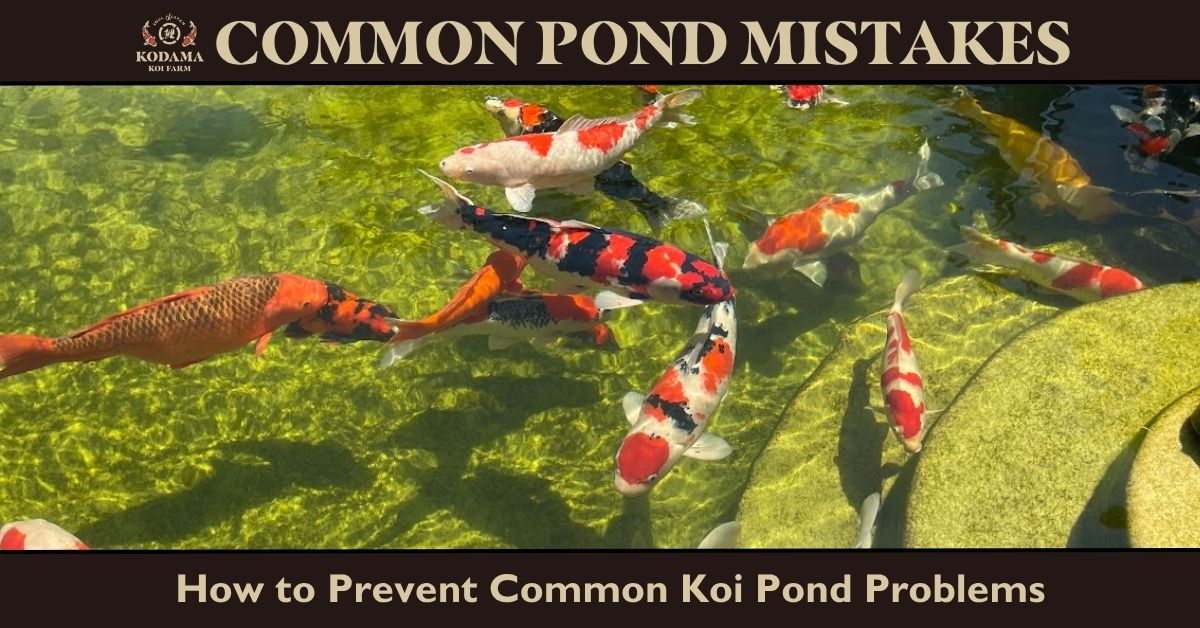
The good news is that most koi behaviors are forms of communication, signaling that something in their surroundings may need attention. Understanding these signs early can help prevent minor issues from becoming serious health problems.
This guide explores the most common koi pond mistakes and behaviors, explains why they occur, and outlines the key factors every koi keeper should evaluate before deciding on the best solution.
Common Pond Mistakes Covered in This Guide
What Causes Problems in a Koi Pond?
Many koi pond problems develop gradually and are often the result of a few preventable mistakes rather than a single major issue.
With more than 50 years of experience raising and caring for Japanese koi, the Kodama Koi Farm team has found that proper pond design, consistent maintenance, and informed husbandry are the foundations of long-term koi health.
Understanding these common mistakes will help you prevent water quality issues, reduce fish stress, and create a stable environment where your koi can thrive.
Mistake 1: Inadequate Pond Filtration
Proper filtration is essential for a healthy koi pond. A quality system combines mechanical and biological filtration to remove debris and process harmful waste. Without adequate filtration, water quality declines, causing cloudy water, low oxygen, toxic ammonia buildup, and chronic stress that weakens koi and increases their risk of disease.
Related Reading: Understanding Koi Pond Filter Systems
Mistake 2: Insufficient Pond Water Depth
Adequate pond depth creates a more stable environment year-round. Kodama recommends a minimum depth of 4 feet, with 6 feet or deeper ideal for larger ponds and mature koi. Deeper ponds reduce temperature fluctuations, protect koi from predators, and provide more stable water conditions during seasonal weather changes.
Related Reading: Koi Pond Design
Mistake 3: Overfeeding Koi
Overfeeding quickly reduces pond water quality by increasing waste, ammonia, and algae growth while overloading biological filtration. Feed koi two to three times daily, offering only what they can eat within five minutes. Use high-quality food, adjust feeding seasonally, and treat hand feeding as an opportunity to observe koi, not an excuse to overfeed.
Related Reading: How Often Should You Feed Koi?
Mistake 4: Poor Water Circulation
Effective water circulation distributes oxygen, supports biological filtration, and prevents stagnant areas where debris accumulates. Poor circulation lowers dissolved oxygen, encourages algae growth, and increases stress on koi. Properly sized pumps, waterfalls, aeration systems, and well-planned return flows work together to maintain consistent water movement and a healthier pond ecosystem.
Related Reading: Dissolve Oxygen in Pond Water
Mistake 5: Failing to Monitor Water Quality
Clear water does not always mean healthy water. Regular testing of ammonia, nitrite, nitrate, pH, temperature, and dissolved oxygen helps detect problems before they affect your koi. Monitoring these parameters allows you to make gradual corrections, maintain stable water conditions, and support long-term koi health.
Related Reading: Koi Pond Water Quality Guide
Mistake 6: Not Providing Adequate Shelter
Providing adequate shelter helps koi feel secure from predators, excessive sunlight, and sudden disturbances. Deep areas, underwater structures, aquatic plants, and well-placed rock features offer safe retreats without restricting water circulation. Reduced stress supports a stronger immune system and encourages more natural, confident behavior.
Related Reading: Koi Pond Design Tips
Mistake 7: Skipping Quarantine for New Koi
Failing to quarantine new koi can introduce parasites, bacterial infections, and other diseases into your pond. Isolate new fish for at least two weeks and monitor their appetite, behavior, and overall health. Quarantine helps detect potential problems early and protects your existing koi from unnecessary disease outbreaks.
Related Reading: Koi Quarantine Tank Setup
Mistake 8: Neglecting Routine Pond Maintenance
Routine pond maintenance prevents many common koi health problems. Regularly clean filters, remove debris, inspect pumps and aeration equipment, and monitor overall pond performance. Perform maintenance gradually to preserve beneficial bacteria and avoid stressing koi. Consistent inspections also help detect equipment issues, water quality problems, and early signs of disease.
Related Reading: Koi Pond Maintenance
Mistake 9: Poor Nutrition and Improper Diet
Not all pond problems stem from poor water quality. Parasites, bacterial infections, injuries, and other health issues can affect koi, especially when they are stressed. Watch for signs such as loss of appetite, flashing, sores, abnormal swimming, or labored breathing. Early detection, excellent water quality, and regular observation are key to maintaining long-term koi health.
Related Reading: How to Choose Koi Food for Your Pond
Mistake 10: Ignoring Early Health Problems
Not all pond problems stem from poor water quality. Parasites, bacterial infections, injuries, and other health issues can affect koi, especially when they are stressed. Watch for signs such as loss of appetite, flashing, sores, abnormal swimming, or labored breathing. Early detection, excellent water quality, and regular observation are key to maintaining long-term koi health.
Related Reading: Diagnose Symptoms & Koi Fish Diseases
How to Diagnose Common Koi Pond Problems
Accurately diagnosing a koi pond problem is the first step toward choosing the right solution. Treating symptoms without identifying the underlying cause can increase stress on your koi, waste time, and sometimes make the problem worse. The Kodama Koi Farm team recommends following a systematic approach before making major changes to your pond or beginning any treatment.
Step 1: Observe Your Koi’s Behavior
Watch for unusual swimming patterns, changes in appetite, gasping at the surface, flashing, isolation, clamped fins, or other abnormal behaviors. Subtle behavioral changes are often the earliest indication that something is affecting your koi or their environment.
Step 2: Check How Many Fish Are Affected
Determine whether the issue involves a single koi or multiple fish. When several koi exhibit the same symptoms, the underlying cause is often related to water quality, environmental conditions, or another pond-wide issue rather than an isolated health problem.
Step 3: Review Recent Changes
Think about any recent changes to your pond, such as adding new fish, cleaning the pond, changing food, replacing equipment, performing large water changes, or experiencing sudden weather or temperature shifts. Even routine maintenance can temporarily affect water quality or stress koi if significant changes occur too quickly.
Step 4: Test Your Water
Measure essential water parameters, including ammonia, nitrite, nitrate, pH, temperature, and dissolved oxygen whenever possible. Poor water quality remains one of the leading causes of koi health problems, even when the pond appears clean and the water looks clear.
Step 5: Inspect Your Koi
Look closely for visible injuries, parasites, redness, ulcers, torn fins, excess mucus, raised scales, or unusual discoloration that could indicate disease, infection, or injury. Careful visual inspection can help determine whether the problem is affecting an individual fish or your collection as a whole.
Step 6: Monitor the Situation
Continue observing your koi over the next 24 to 48 hours, when appropriate, before taking major corrective actions. Unless your koi are showing signs of severe distress or rapidly declining health, careful observation and accurate diagnosis often produce better outcomes than immediate treatment. Once you’ve identified the underlying cause, you can choose the most appropriate corrective action with greater confidence.
How to Solve Common Koi Pond Mistakes
Once you have identified the likely cause of the issue, focus on improving your pond’s overall environment before considering more advanced treatments. Many common koi pond problems can be resolved by addressing the underlying conditions rather than treating the symptoms.
Immediate Actions
Begin by removing any visible debris, uneaten food, or dead plant material from the pond. Check that your filtration system, pumps, and aeration equipment are operating properly, and avoid overfeeding until conditions improve. If water quality is a concern, perform a partial water change using properly conditioned water to help restore a healthier environment.
Short-Term Solutions
Monitor your koi closely over the next several days while testing key water parameters, including ammonia, nitrite, pH, and temperature. Make gradual adjustments instead of sudden changes, as rapid fluctuations can place additional stress on your fish. If you recently introduced new koi, separate them if necessary while continuing to observe the rest of the pond.
Long-Term Improvements
The best way to prevent recurring problems is through consistent pond management. Perform routine maintenance, clean filters regularly, monitor water quality, maintain adequate aeration and circulation, avoid overcrowding, feed a balanced diet in appropriate amounts, and quarantine new koi before introducing them to your pond. Establishing these habits creates a stable environment that supports healthy koi and reduces the likelihood of future pond problems.
When to Take Immediate Action
Some pond problems require prompt attention to prevent serious harm to your koi. If multiple fish are affected at the same time, your koi are gasping at the surface, showing visible ulcers or severe injuries, losing their balance, or experiencing a rapid decline in activity, investigate the issue immediately. Early action can often prevent conditions from worsening. If you’re unsure about the cause or have questions about your koi’s health, feel free to reach out to our team for guidance and support.
How to Prevent Common Koi Pond Problems Before They Start
Most koi pond problems can be traced to underlying factors such as poor water quality, inadequate maintenance, environmental changes, overfeeding, or overcrowding. Rather than reacting to symptoms alone, take time to observe your koi carefully and identify the root cause before making changes.
Consistent monitoring, routine water testing, and regular pond maintenance are the foundation of a healthy pond and thriving koi. By adopting good preventative practices and addressing issues early, you can reduce the risk of recurring problems and provide a stable environment where your koi can flourish for years to come.
Frequently Asked Questions
What is the most common mistake new koi pond owners make?
The most common mistake is neglecting water quality. Poor filtration, inadequate maintenance, and failing to test water regularly can quickly lead to unhealthy conditions for koi.
How often should I test the water in my koi pond?
Test your pond water at least once a week, and more frequently after adding new fish, performing maintenance, or during seasonal weather changes. Regular testing helps detect problems before they become serious.
Can overfeeding harm my koi and pond?
Yes. Overfeeding creates excess waste and uneaten food, which can increase ammonia and nitrite levels, reduce water quality, and encourage algae growth. Feed only what your koi can consume within a few minutes.
How deep should a koi pond be?
A koi pond should be at least 4 feet deep, with 5 to 6 feet being ideal. Proper depth helps protect koi from temperature extremes, predators, and seasonal weather changes.
Why is water circulation important in a koi pond?
Good water circulation distributes oxygen, supports biological filtration, prevents stagnant areas, and helps maintain consistent water quality throughout the pond.
How many koi can I safely keep in my pond?
The ideal stocking density depends on your pond’s size, filtration capacity, and maintenance routine. Avoid overcrowding, as too many koi can increase waste, lower oxygen levels, and stress the fish.
Should I quarantine new koi before adding them to my pond?
Yes. Quarantining new koi for at least two weeks helps prevent parasites, bacterial infections, and other diseases from spreading to your existing fish.
What are the warning signs that something is wrong with my koi pond?
Common warning signs include koi gasping at the surface, unusual swimming behavior, loss of appetite, cloudy water, foul odors, flashing, visible injuries, or multiple fish showing the same symptoms.
How can I prevent common koi pond problems?
Routine maintenance, regular water testing, proper filtration, adequate aeration, balanced feeding, seasonal preparation, and avoiding overcrowding are the best ways to prevent most koi pond problems.
What should I do if my koi suddenly start acting differently?
Begin by observing their behavior, testing the water, checking for recent changes to the pond, and inspecting the fish for visible injuries or signs of illness. Identifying the underlying cause before taking corrective action is the safest and most effective approach.

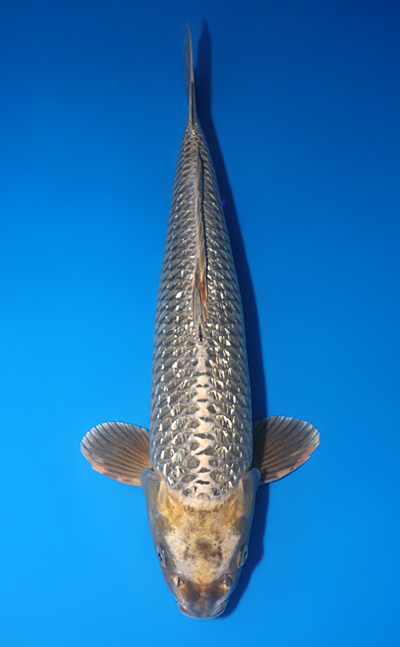 Ginrin Soragoi – koi #y0714s030
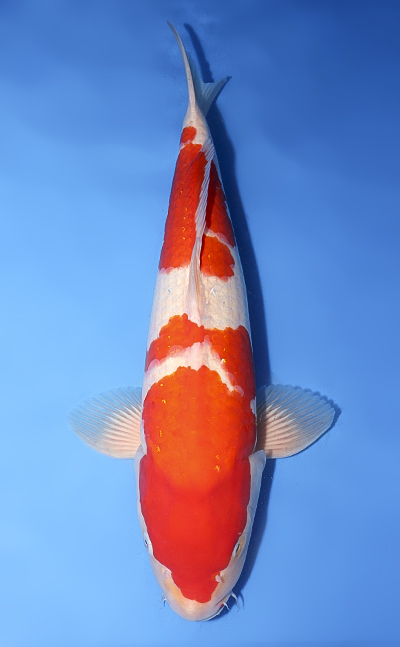 Kohaku – koi #y0619s008-re
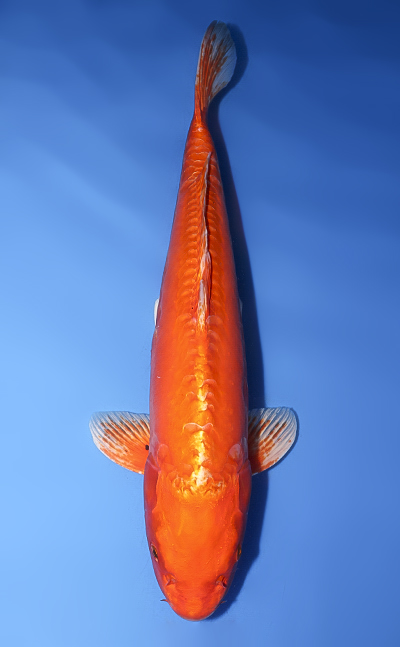 Doitsu Orange Ogon – koi #y0619s005-re
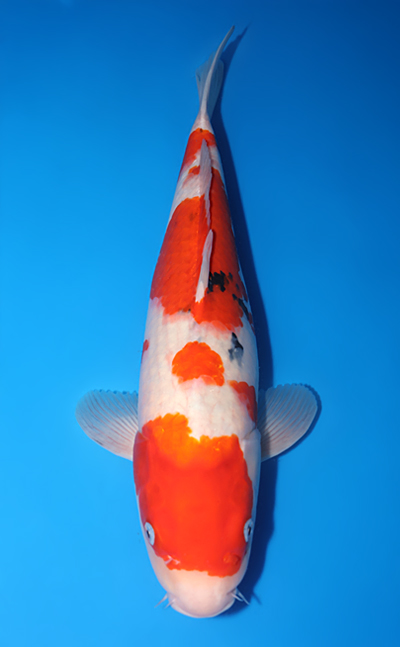 Taisho Sanke – koi #y0618s013