
Koi are known for their vibrant colors and graceful swimming, but they are also remarkably intelligent fish with fascinating behaviors. Many pond keepers wonder whether koi can recognize their owners, hear sounds, see color, sleep, or even follow people around the pond.
These behaviors are largely influenced by the koi’s senses, ability to learn through experience, and natural instincts.
Understanding what is normal can help you better interpret your koi’s actions, strengthen your appreciation of these fish, and recognize when changes in behavior may be an early sign of stress, poor water quality, or an underlying health issue.
Koi Behavior Contents
How Koi Recognize and Respond to People
What Do Koi Do All Day?
- Daily Habits of Koi Fish
- Resting and Sleeping Behavior
- Winter Resting and Reduced Activity
- What Do Koi Think About All Day?
How Do Koi Sense the World?
- Hearing and Detecting Vibrations
- Seeing Colors and Detecting Movement
- Koi Anatomy

What Does Koi Behavior Tell You?
Koi are intelligent fish that can learn routines, recognize familiar people, respond to sounds and movement, distinguish colors, and display a variety of social behaviors. While many of these actions are driven by natural instincts, factors such as feeding routines, water quality, and the pond environment also play an important role in how koi interact with people and other fish.
How Smart Are Koi?
Koi are considered intelligent fish because they can learn through repetition, remember routines, and adapt their behavior based on experience. Over time, they recognize feeding schedules, navigate familiar environments, and respond to changes in their surroundings.
Rather than acting purely on instinct, koi learn from repeated interactions with both people and their environment. This ability to remember experiences and modify their behavior is one of the reasons they are regarded as one of the more intelligent freshwater fish species.
1. Why Koi Follow People
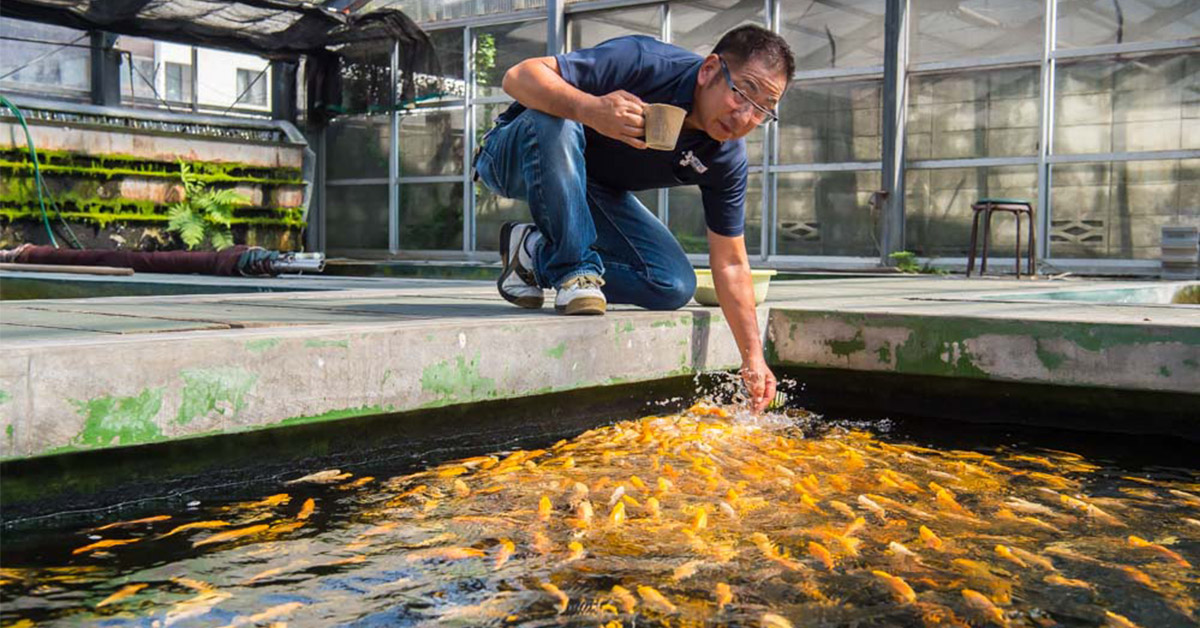
Koi commonly follow people because they associate them with food and routine care. Through repeated feeding, they learn to anticipate meals whenever a familiar person approaches. Their natural curiosity also encourages them to investigate movement around the pond.
2. Koi Stare at People
Koi often appear to stare because they are watching your movements and anticipating food. Their excellent vision helps them detect activity above the water, making them naturally attentive to familiar people and regular feeding routines.
3. Koi Remember Familiar People
Yes. Koi develop long-term memories through conditioning and repeated experiences. They remember familiar movements, feeding routines, and consistent caretakers, allowing them to respond differently to people they encounter regularly than to unfamiliar visitors.
4. Koi Can Recognize Their Owners
Yes. Koi recognize familiar people through repeated interaction and routine rather than human-like facial recognition. They associate visual cues, movement, and feeding with positive experiences. Koi that are hand-fed regularly often become more confident and interactive, readily swimming toward their owners when they approach the pond.
5. How Koi Perceive Their Owners
Koi do not think about people like humans do. Instead, they associate familiar individuals with experiences such as feeding, safety, and routine care. Their responses are based on memory and conditioning rather than complex emotions or thoughts.
6. How Koi Become Friendly
Yes. Koi can become friendly through regular interaction and hand feeding. Over time, they learn to trust familiar people and approach confidently. Chagoi are especially known for their calm temperament and are often the first koi to greet pond keepers during feeding.
Trust vs. Emotion in Koi– There is no scientific evidence that koi experience love like humans. However, they can develop trust through consistent care and positive interactions. Their willingness to approach familiar people reflects learned behavior and positive associations rather than emotional attachment.
Showing Affection Through Proper Koi Care – The best way to show affection is through excellent care. Clean water, proper nutrition, consistent routines, and gentle hand feeding help build trust while supporting your koi’s long-term health and reducing unnecessary stress.
7. Showing Affection Through Proper Koi Care
The best way to show affection is through excellent care. Clean water, proper nutrition, consistent routines, and gentle hand feeding help build trust while supporting your koi’s long-term health and reducing unnecessary stress.
Koi Enjoy Being Petted? (or) Petting Koi: What to Expect – Some koi tolerate gentle petting after becoming accustomed to human interaction, while others prefer to avoid contact. Every koi has a unique personality, so physical interaction should never be forced if it causes stress or discomfort.
Koi Are Not Aggressive to Humans– No. Koi are peaceful fish and are not naturally aggressive toward humans. They may bump into hands during feeding or become more active during breeding season, but these behaviors are driven by curiosity or competition rather than aggression.
Why Koi Gently Nibble Instead of Bite – Koi do not bite like predatory fish. Their soft lips create the gentle nibbling sensation during hand feeding, while specialized pharyngeal teeth deep in the throat grind food after it is swallowed.
When koi become comfortable around people, gentle interaction can strengthen that bond. Learn how koi hand feeding and safe petting can build trust while making everyday koi care more rewarding.
What Do Koi Do All Day?
Koi spend their day performing a variety of natural behaviors that help them survive and thrive. They continuously interact with their environment by swimming, searching for food, responding to other koi, and exploring different areas of the pond.
Their daily activities are influenced by water temperature, light levels, feeding schedules, and seasonal changes. Understanding these normal behaviors can help pond keepers distinguish healthy activity from signs that may indicate stress or illness.
Daily Habits of Koi Fish
A healthy koi is rarely inactive for long. Throughout the day, koi swim steadily around the pond, forage for insects, algae, and other edible materials, and investigate changes in their surroundings.
They continuously pump water over their gills to breathe, even while resting. Koi also interact with other fish, establish social relationships, and explore their environment out of curiosity.
Although they may pause to rest, they remain alert and responsive to movement, changes in light, and familiar feeding routines.

Resting and Sleeping Behavior
Koi do not sleep like mammals because they do not have eyelids and cannot close their eyes. Instead, they experience periods of rest during which their movement slows and their metabolism decreases.
During these resting periods, koi often remain near the bottom of the pond or in sheltered areas where they feel secure.
Although less active, they continue breathing and remain aware of their surroundings, allowing them to respond quickly if they sense danger or disturbance.

Winter Resting and Reduced Activity
Koi do not truly hibernate during winter. Instead, they enter a state known as torpor, where their metabolism slows significantly as water temperatures drop.
During this time, they become less active, spend more time resting near the bottom of the pond, and require much less food because their digestive system is also functioning more slowly.
As temperatures rise again in spring, their metabolism increases, and they gradually return to their normal activity and feeding patterns.

What Do Koi Think About All Day?
Koi do not think in the same complex way humans do. Instead, their behavior is driven primarily by instinct, learning, and environmental awareness.
Much of their day is spent responding to food opportunities, monitoring for potential threats, interacting with other koi, and adapting to changes in their surroundings.
Their intelligence allows them to remember routines and recognize familiar experiences, but their daily decisions are centered on survival, safety, and responding to the world around them.

When Is Koi Behavior a Cause for Concern?
While many koi behaviors are completely normal, sudden or unusual changes may indicate an underlying health or environmental problem. Warning signs include isolating from other fish, refusing food, gasping at the water’s surface, flashing or rubbing against objects, erratic swimming, lethargy, constant hiding, or difficulty maintaining balance.
These behaviors can be associated with poor water quality, parasites, illness, or other sources of stress.
In many cases, behavioral changes appear before visible symptoms such as sores or discoloration. Observing your koi daily and responding promptly to unexpected changes can help identify problems early and improve the chances of successful treatment.
If your koi are displaying any of these warning signs, don’t ignore them. Early recognition is one of the most important steps in protecting their health. For a more detailed guide to identifying common symptoms, possible causes, and treatment considerations, read our Koi Health Diagnosis Guide
How Do Koi Sense the World?
Koi rely on a combination of highly developed senses to explore their surroundings, locate food, avoid danger, and interact with other fish and people.
Their vision, hearing, sense of smell, and specialized lateral line system work together to help them detect movement, vibrations, and changes in their environment.
These senses play an important role in everyday behaviors, from recognizing familiar feeding routines to responding quickly to potential threats.
Hearing and Detecting Vibrations
Koi do not have external ears, but they can hear through specialized internal hearing structures that detect underwater sounds and low-frequency vibrations.
This sensitivity helps them respond to movement in and around the pond, including approaching predators or other fish.
Over time, many koi also learn to associate familiar sounds such as footsteps, a feeding container, or a pond lid opening with feeding time, demonstrating their ability to learn through experience.
Seeing Colors and Detecting Movement
Koi have excellent daytime vision and can distinguish a variety of colors, making it easier to locate food and recognize changes in their surroundings.
They are also highly sensitive to movement above and below the water, allowing them to notice approaching people, other fish, or potential predators.
Contrast further improves their ability to identify objects in different lighting conditions, helping them navigate the pond safely and efficiently.
In addition to hearing and vision, koi rely on their keen sense of smell to locate food and identify changes in pond water quality. They also use a specialized sensory organ called the lateral line, which runs along each side of the body and detects subtle water movements and pressure changes. Together, these senses help koi interpret their environment and respond quickly to both opportunities and potential dangers.
KOI ANATOMY 101
Want to learn more about how koi function beyond their behavior? Explore our Koi Anatomy Guide to discover the body structures, senses, and specialized features that influence how koi swim, feed, breathe, and interact with their environment. Understanding their anatomy provides valuable insight into their health, behavior, and overall well-being:

Understanding Koi Behavior: Key Takeaways
Koi behavior is shaped by a combination of natural instincts, intelligence, environmental conditions, and learned experiences. From recognizing familiar people and responding to feeding routines to interacting with other koi, their actions provide valuable insights into their overall well-being.
By understanding what is normal, pond keepers can better appreciate these remarkable fish while identifying early signs of stress, poor water quality, or illness. Taking time to observe your koi’s daily behavior is one of the simplest and most effective ways to support their long-term health and help them thrive.
Common Koi Behavior and Health Questions
Do koi remember people?
Yes. Koi can remember familiar people through repeated interactions and consistent routines. They may associate an owner’s appearance, movements, and feeding habits with positive experiences, helping them recognize and respond to familiar caretakers over time.
Can koi become friendly?
Koi can become comfortable and interactive with people, particularly when they are hand-fed regularly. Although they do not form emotional bonds like mammals, they can learn familiar routines and may willingly approach, follow, or eat directly from a person’s hand.
Why do koi swim to the surface when they see me?
Koi often swim to the surface because they associate your presence with feeding. Through repeated conditioning, they learn that a familiar person approaching the pond may mean food is available. When they remain active and healthy, this behavior is generally a normal response to recognition.
Can koi recognize voices?
There is no strong evidence that koi can recognize human voices by themselves. Instead, they may respond to vibrations, footsteps, movement, or sounds they regularly associate with feeding. Over time, koi can learn that these familiar cues are connected with positive experiences.
Why do my koi suddenly hide?
Sudden hiding can result from stress, poor water quality, environmental changes, predators, illness, or loud disturbances around the pond. If hiding continues or occurs alongside reduced appetite or unusual swimming, check your water quality and closely observe your koi for other signs of health problems.
Why Is My Koi Flashing?
Koi may flash by rubbing or scraping their bodies against the pond’s bottom or sides. This behavior can indicate skin irritation caused by parasites, poor water quality, or other environmental problems. Occasional flashing may not be serious, but frequent flashing should prompt you to check water parameters and observe your koi for additional symptoms.
Why Are My Koi Not Eating?
Koi may stop eating because of cold water, stress, poor water quality, illness, changes in their environment, or unsuitable food. A temporary decrease in appetite can occur during seasonal changes, but prolonged refusal to eat may indicate an underlying problem. Check water conditions and monitor your koi for other unusual behavior.
Why Are My Koi Jumping Out of the Pond?
Koi may jump because of parasites, poor water quality, stress, sudden disturbances, or a lack of oxygen. Occasional jumping can happen naturally, but repeated jumping may indicate that something is irritating or stressing the fish. Check water quality, aeration, and pond conditions if the behavior continues.
Why Are My Koi Staying at the Bottom?
Koi may stay at the bottom when they are resting, experiencing cold water, or adjusting to changes in their environment. However, prolonged bottom sitting can also indicate stress, poor water quality, illness, or low oxygen levels. Check your pond conditions and watch for other signs such as clamped fins, reduced appetite, or unusual swimming.
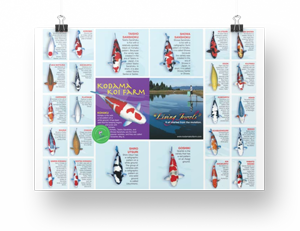

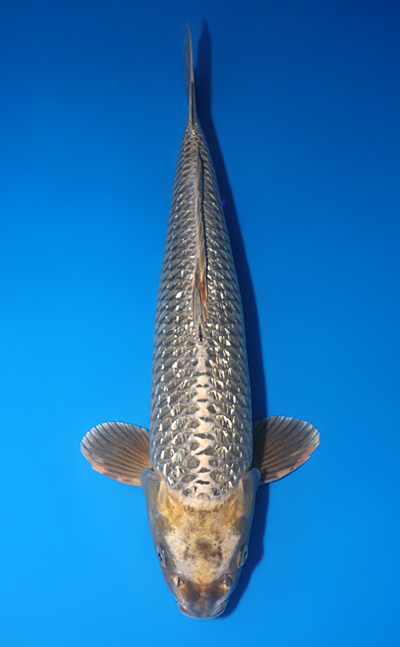 Ginrin Soragoi – koi #y0714s030
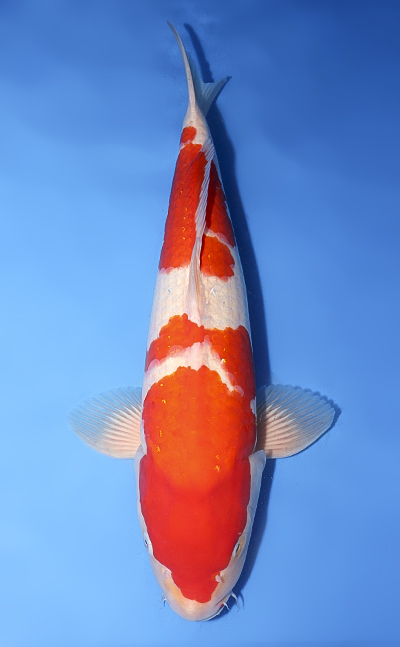 Kohaku – koi #y0619s008-re
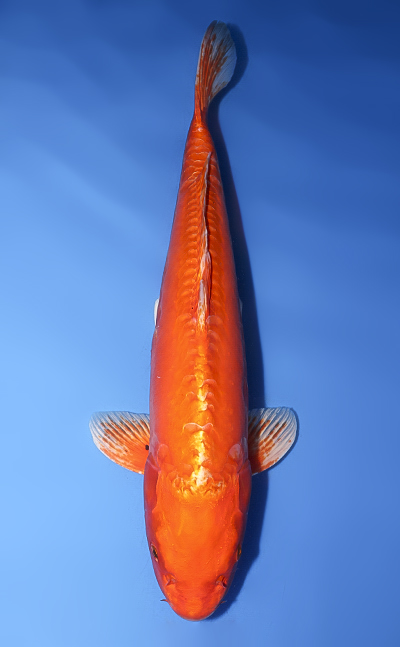 Doitsu Orange Ogon – koi #y0619s005-re
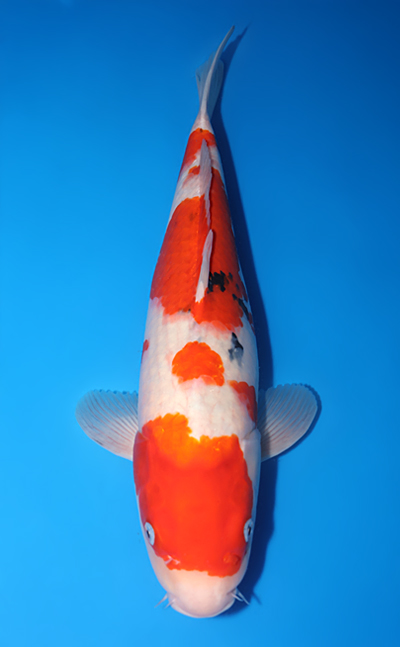 Taisho Sanke – koi #y0618s013